Industrial parks need a lot of water, and that demand usually grows as more tenants move in. The usual model is to bring freshwater in, use it once, treat the wastewater, and discharge it.
A reuse system gives you another option. You still use freshwater where needed, but suitable wastewater can be treated and used again for cooling, washing, utilities, landscaping, or selected industrial processes. Reuse is not automatically cheaper, and it is not right for every park. It works best when wastewater is available, users are close by, treatment is reliable, and there is enough demand.
Stay with us to see where the business case is strongest, what infrastructure you need, what can go wrong, and how to decide whether a closed-loop system makes sense for your industrial park.
Why Industrial Parks Are Strong Candidates for Water Reuse
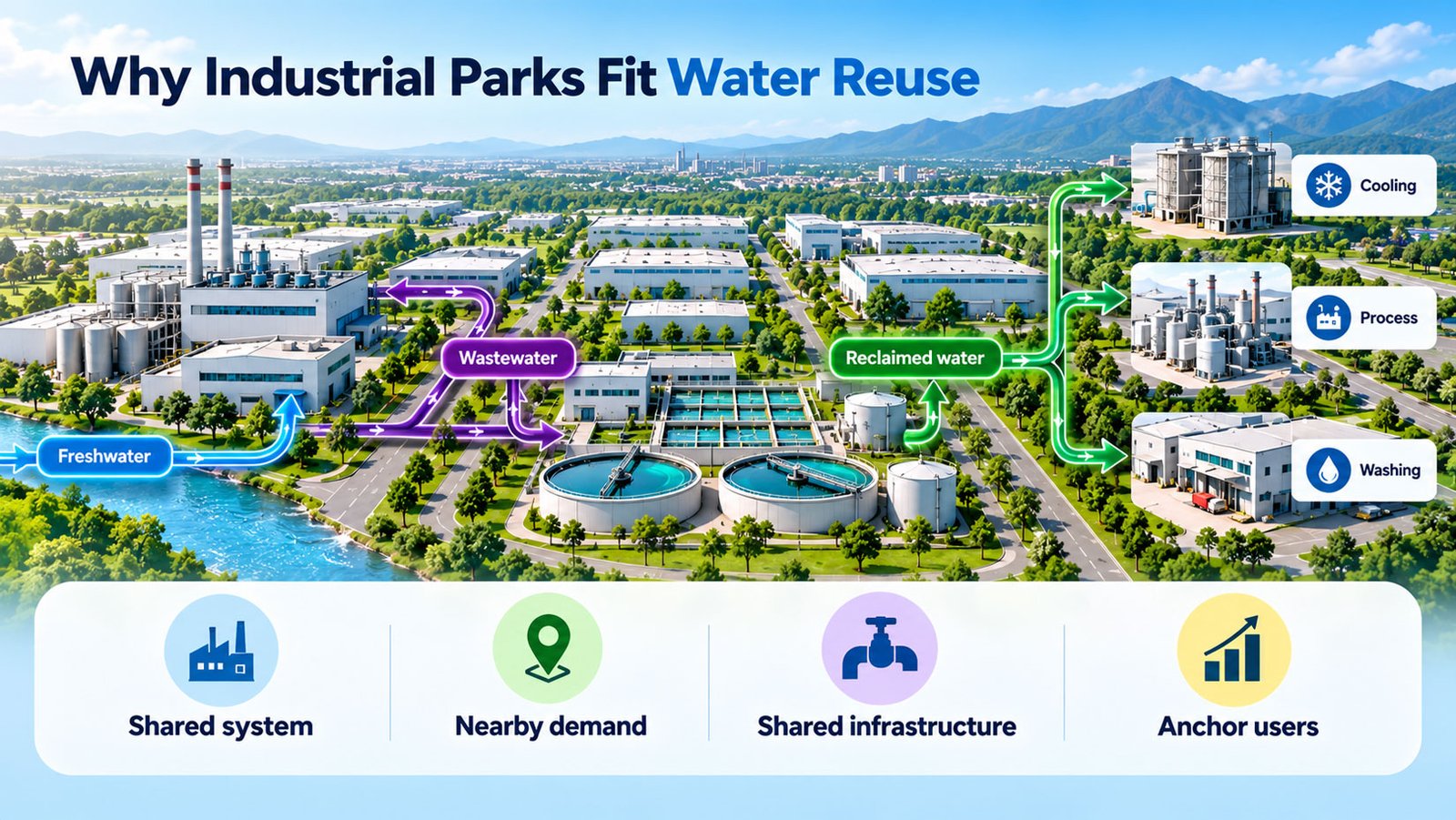
Industrial parks have one important advantage over scattered factories. Water demand and wastewater generation happen in the same area. Here’s why that can make shared water reuse much easier to plan and operate.
- Several tenants can feed one system. A shared collection and treatment system may serve many factories.
- Demand is close by. Cooling, washing, landscaping, boiler make-up, utility water, and some process uses can all create demand inside the park.
- Infrastructure can be shared. Storage, pumping, monitoring, meters, and reclaimed-water pipelines can serve multiple users.
- Large tenants can anchor the project. A few major users can provide steady demand and make the commercial model stronger.
This also connects with the UNIDO eco-industrial park model, where companies can share water, energy, materials, and infrastructure. It is also useful to separate three ideas.
On-site recycling means one factory treats and reuses its own water.
Park-level reuse means several users share treatment, storage, pumping, and a dedicated reuse network.
Closed loop does not automatically mean zero liquid discharge. You may still have sludge, blowdown, brine, membrane concentrate, or other residuals that need proper handling.
For many parks, the goal is simply to reuse more water and reduce the amount of new freshwater needed.
When Does Reclaimed Water Make Business Sense?
The numbers need to work before technology matters. Start by looking at the four things that can make or break the business case.
| Condition | What you should check | Why it matters | Warning sign |
|---|---|---|---|
| Freshwater is costly or unreliable | Tariffs, boreholes, treatment, pumping, storage, tankers, outages | Your real water cost may be much higher than the published tariff | Backup and outage costs are being ignored |
| Wastewater treatment is already required | Collection, treatment, testing, discharge, sludge | Some costs already exist even without reuse | All treatment costs are counted as new reuse costs |
| Users are close to treatment | Distance, elevation, crossings, pumping head, storage | Conveyance can change the whole project economics | Long routes or high elevations push costs too high |
| Enough demand is committed | Anchor users, minimum offtake, occupancy, seasonal demand | Good utilization helps support the investment | The plant is sized around demand that may never appear |
Look at the full cost of freshwater
Your normal water tariff may be only one part of what freshwater really costs you. You may also pay for boreholes, abstraction, pumping, treatment, chemicals, storage, emergency tankers, or backup supplies.
Reliability matters too. If a water shortage stops production, the cost of the interruption can be much larger than the cost of the missing water. That is why reclaimed water may still have value even when the normal tariff looks fairly low.
Count the wastewater costs you already have
Your park may already need to collect wastewater, treat it, monitor it, test it, manage sludge, and meet discharge requirements. Those costs exist whether you reuse the water or not.
A better comparison is the lifecycle cost of your current linear system against the lifecycle cost of the reuse option. That gives you a more realistic picture than simply comparing reclaimed-water treatment cost with a freshwater tariff.
Keep treatment and users close
Distance matters more than many people expect. A large user close to the treatment plant may need only a short pipeline and moderate pumping. A user several kilometers away, especially uphill, may need more pipe, larger pumps, extra storage, more electricity, and expensive crossings.
The World Bank’s water-reuse work also highlights proximity as an important part of the business case.
Make sure the demand is real
A well-designed treatment plant can still be a poor investment if tenants do not use enough reclaimed water. Before you size the system, check:
- how much wastewater is available
- how much can realistically be reclaimed
- which tenants will use it
- how much they will take
- whether demand changes by season
- whether new tenants are expected
- whether major users can commit to minimum offtake
The water balance and the offtake balance both need to make sense before you decide how large the plant and reuse network should be.
What Does a Closed-Loop Industrial Water System Actually Require?
The treatment plant is only one piece of the project. Here’s what you need to put in place for the whole system to work reliably.
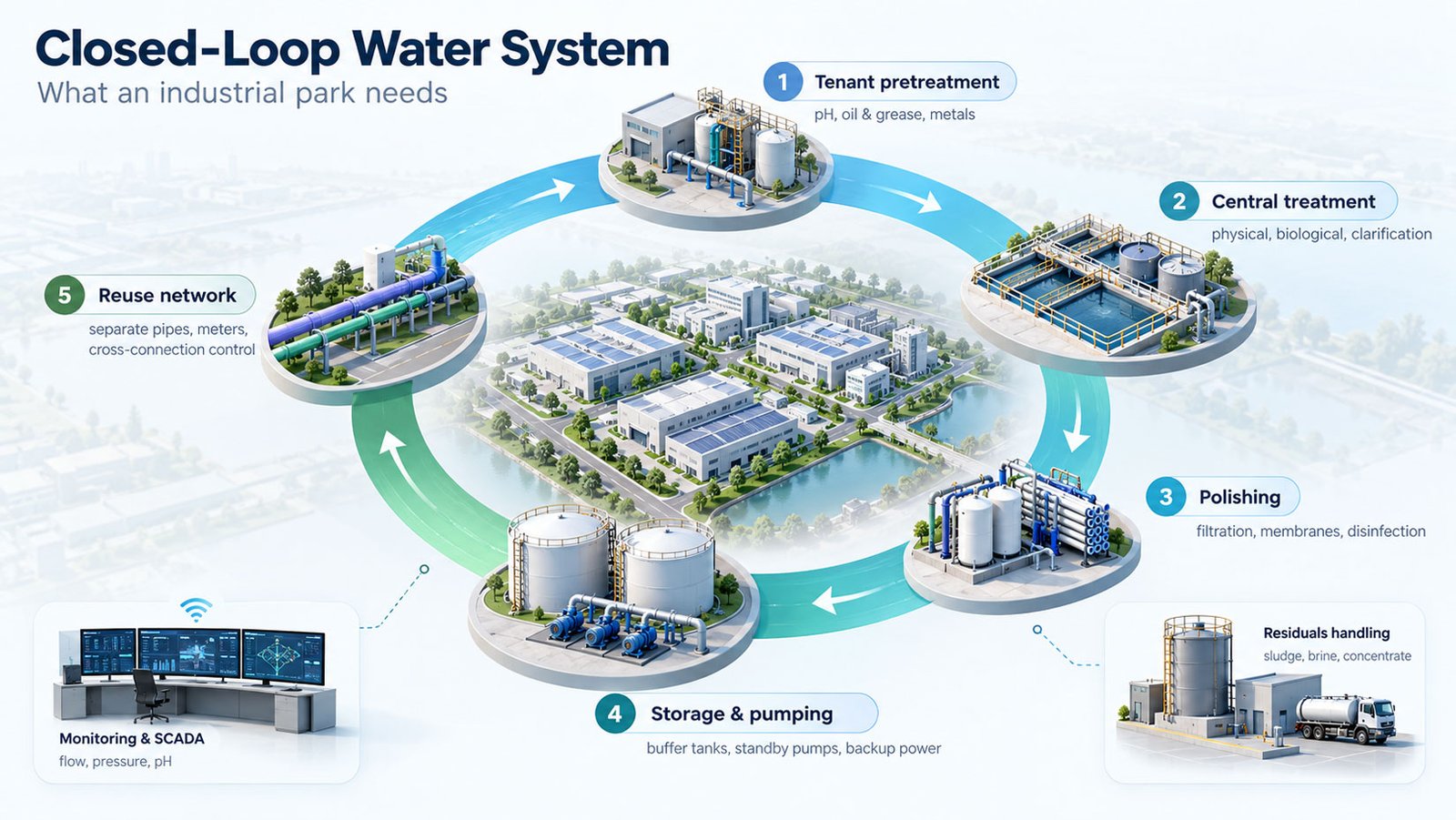
Start with what tenants are sending into the system
Different industries can produce very different wastewater. A textile plant may add dyes and chemicals. A food processor may create high organic loads. A metal-finishing factory may add oils or metals.
Some tenants may need pretreatment before their wastewater enters the shared network. That can include
- pH adjustment
- oil and grease separation
- metals removal
- chemical segregation
- equalization
- temperature control
- treatment of high-strength organic wastewater
The IFC wastewater guidance supports choosing treatment based on the actual wastewater and the final water quality you need. Good pretreatment also helps protect the central plant from sudden shock loads.
Match treatment to the final use
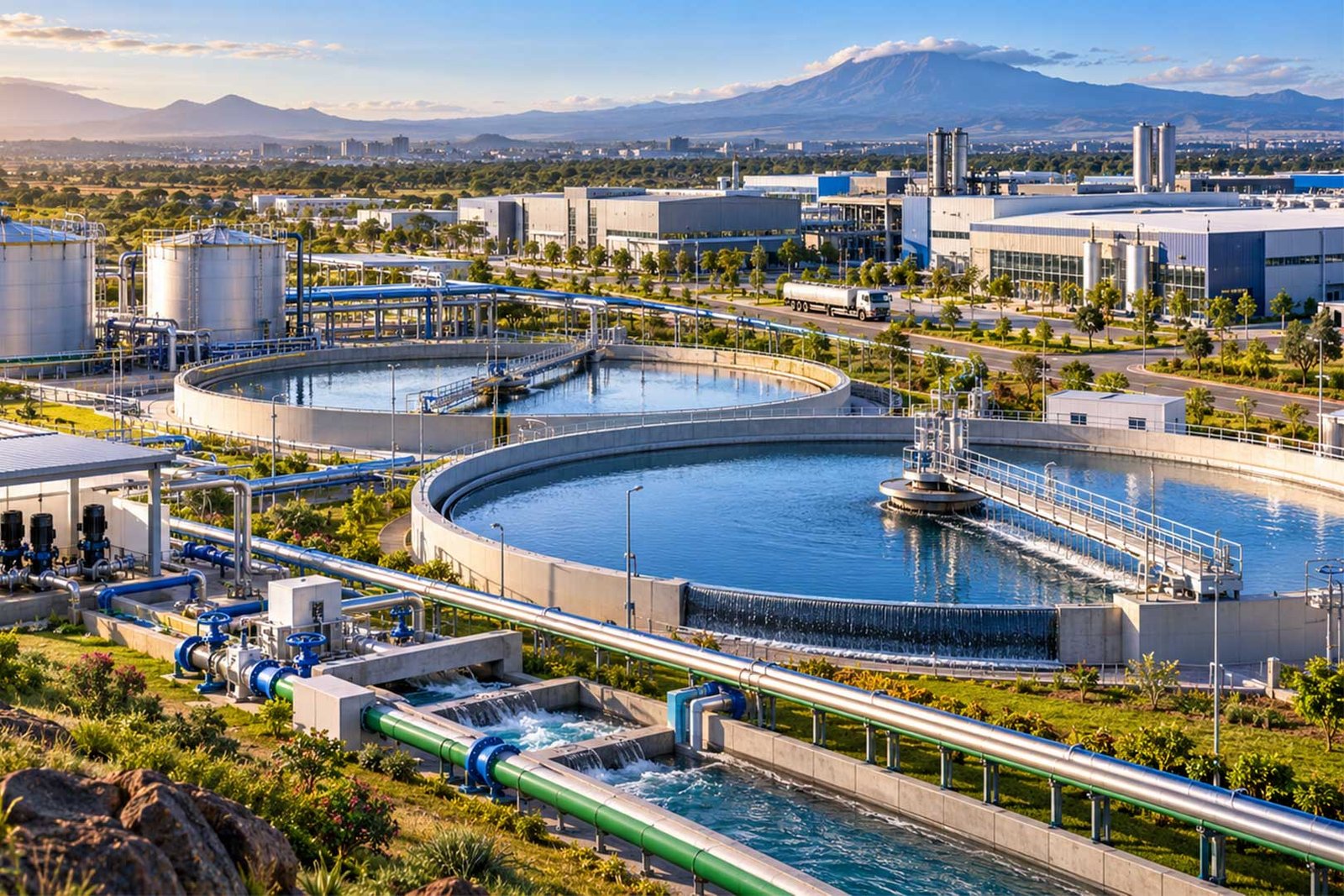
You do not need the same treatment for every park. The treatment should follow the wastewater coming in and the water quality users need at the end. The central plant may use equalization, physical or chemical treatment, biological treatment, and clarification.
After that, extra polishing may include filtration, disinfection, activated carbon, membranes, or reverse osmosis. A textile park may need something very different from a food-processing estate or a mixed manufacturing zone.
Plan storage, pumping, and the reuse network together
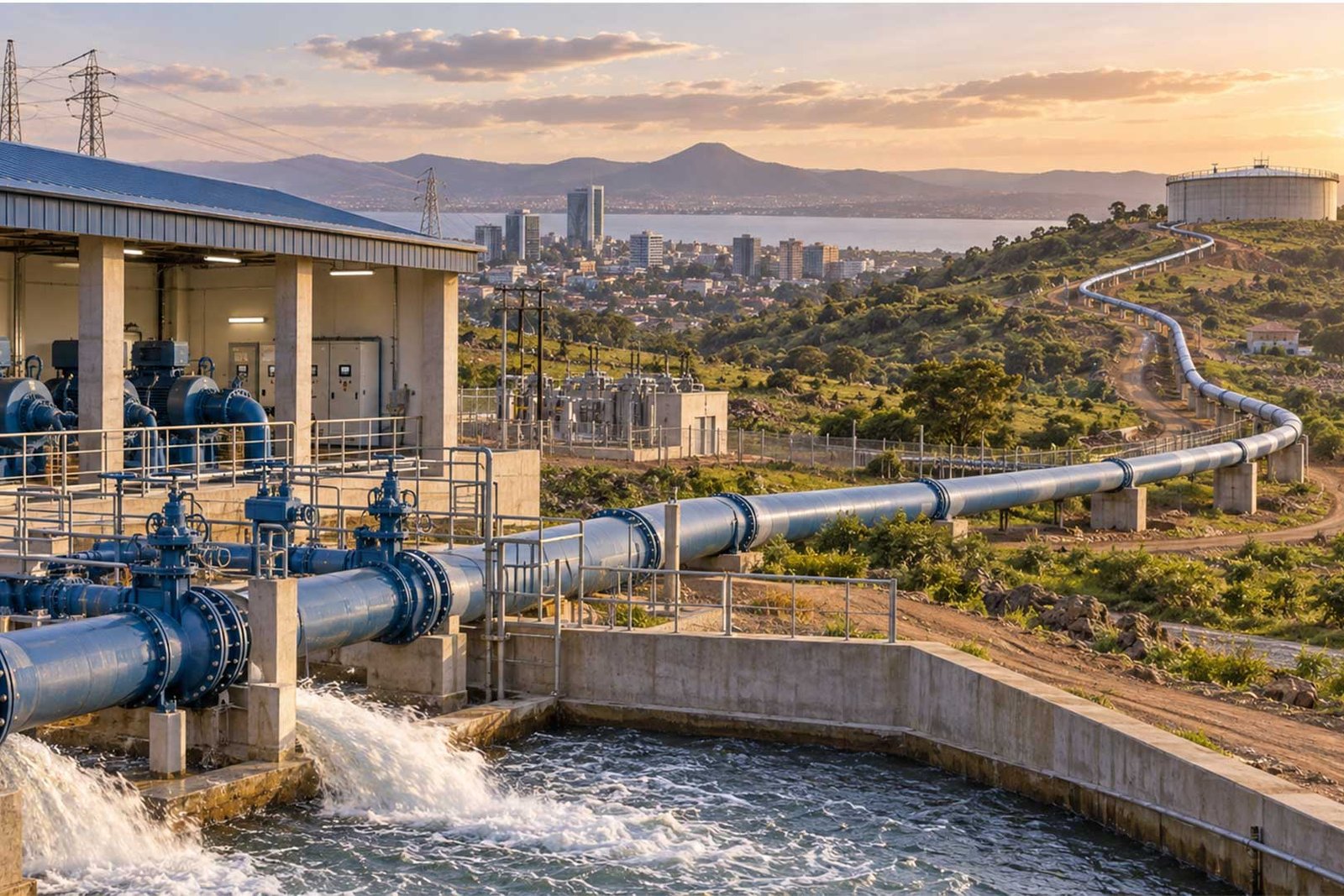
Reliable treatment is not enough if you cannot deliver the water when users need it. Your storage, pumps, pipelines, and controls need to work as one system.
Wastewater may arrive fairly steadily, while industrial demand can rise and fall during the day. You may need
- buffer storage
- duty and standby pumps
- pressure zones
- VFDs where useful
- backup power
- hydraulic redundancy
The reuse network may also include transmission mains, smaller distribution lines, valves, chambers, meters, tenant connections, and road or rail crossings. Reclaimed-water pipes should stay physically separate from potable-water pipes, with strong cross-connection control.
Monitoring may include flow, pressure, turbidity, conductivity, pH, disinfectant residual, and other application-specific parameters.
SCADA, alarms, and automatic diversion can help stop off-specification water from reaching users. You also need a clear plan for sludge, brine, membrane concentrate, and water that cannot be reused.
Fit-for-Purpose Water: Not Every Industrial Use Requires the Same Quality
Over-treatment can make a reuse project more expensive than it needs to be. The table below shows why different uses need different levels of treatment.
| Reuse application | Relative treatment need | Main quality concerns | Practical point |
|---|---|---|---|
| Landscaping | Lower or application-specific | Salinity, nutrients, pathogens | Often one of the simpler non-potable uses |
| Road and general washdown | Low to moderate | Solids, odor, microbes | Useful for general utility demand where allowed |
| Cooling-tower make-up | Moderate to high | Hardness, silica, TDS, biological growth | Can create steady, high-volume demand |
| Boiler make-up | High | Hardness, silica, conductivity | Usually needs more polishing |
| Process water | Highly process-specific | Product and process requirements | Never assume reclaimed water is automatically suitable |
| Sanitary non-potable use | Regulatory and microbiological | Human exposure, cross-connections | Needs strong health and plumbing controls |
This is what fit-for-purpose treatment means. The U.S. EPA industrial reuse resources also support this application-specific approach.
You do not need to make every drop drink-water quality. You need to produce water that is safe, reliable, and suitable for the job.
What Could the East African Opportunity Look Like?
The opportunity is different from one market to another. Let’s look at how the picture changes across a few useful examples.
| Market | Current angle | What it can teach | Important caution |
|---|---|---|---|
| Kenya | Water and wastewater are already important parts of industrial-zone infrastructure | Existing treatment assets may create opportunities for reuse networks | Do not treat isolated on-site recycling as proof of a park-wide system |
| Rwanda | New industrial policy is exploring greener parks and shared infrastructure | Circular systems can be planned from the beginning | Policy direction is not the same as proven operating performance |
| Ethiopia | Large industrial parks provide useful operating lessons | Design capacity should be compared with real throughput and recovery | Avoid repeating old promotional claims without current data |
| Durban, South Africa | Mature industrial reuse benchmark | Proximity, anchor demand, fit-for-purpose quality, and long-term offtake matter | It is not an East African pricing model |
Kenya gives you a strong infrastructure and water-security case. The country’s SEZ framework already recognizes water supply and wastewater treatment as important parts of industrial development.
Existing treatment assets may create opportunities to evaluate reuse networks where the demand and economics make sense.
Rwanda offers a forward-looking example. A 2026 World Bank initiative looks at greener industrial parks where companies can share water, energy, materials, and infrastructure.
For a new park, shared treatment, storage, pumping, and dual networks can be planned from the start instead of added later.
Ethiopia gives you an operating lesson. UNIDO’s industrial-park work makes it useful to look beyond design capacity.
You still need to check actual flow, wastewater variability, operator capability, treatment reliability, energy use, recovery, and whether reclaimed water is really reaching users.
Durban Water Recycling is not an East African project, but it is a useful African benchmark. The World Bank case study shows why nearby users, strong demand, fit-for-purpose quality, existing infrastructure, and long-term agreements can support reuse.
The Risks That Can Undermine a Reuse Project
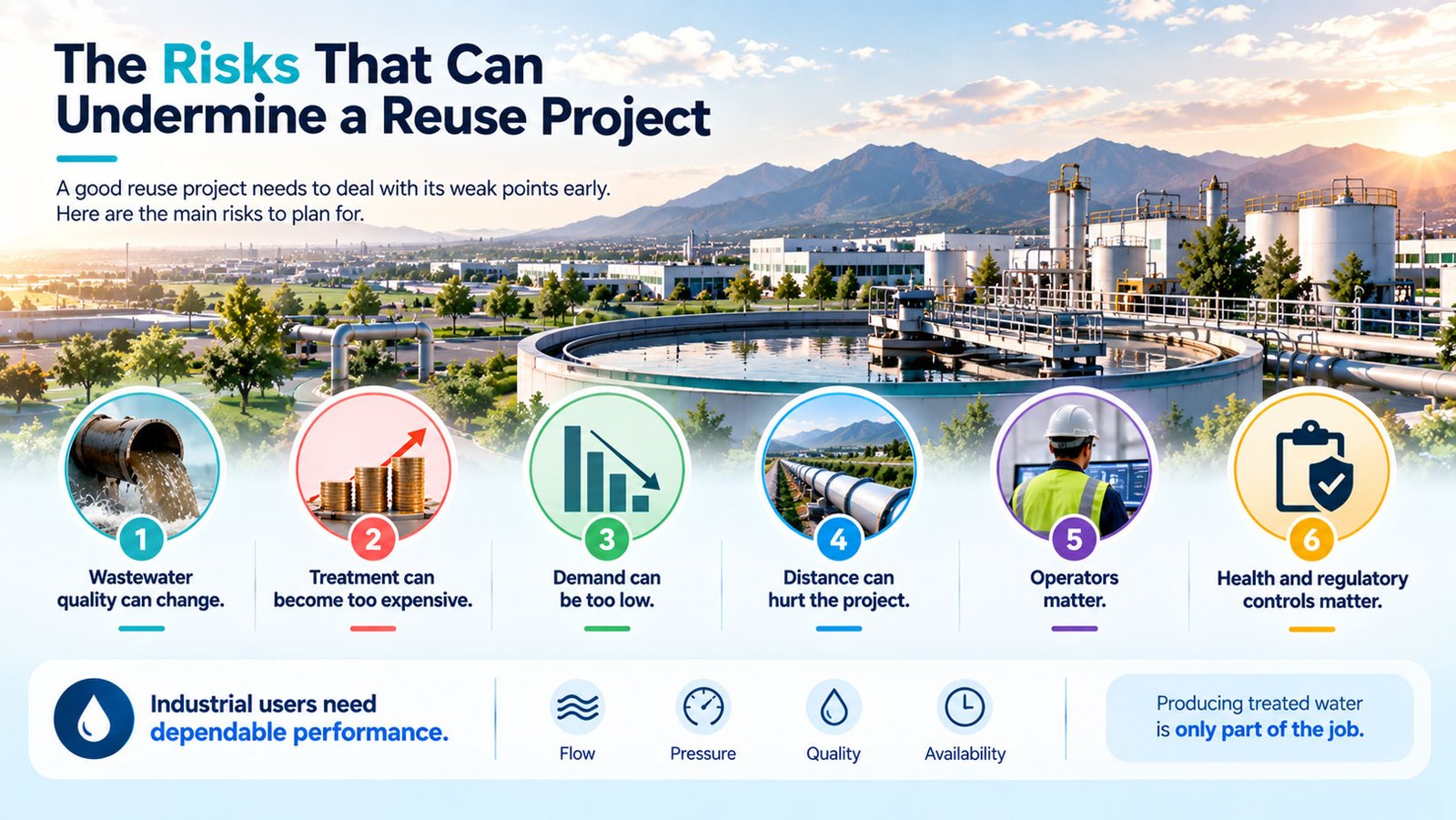
A good reuse project needs to deal with its weak points early. Before you invest, these are the main risks you should plan for.
- Wastewater quality can change. Different tenants can introduce changes in pH, salinity, metals, oils, chemicals, organics, and shock loads.
- Treatment can become too expensive. If you produce much higher quality than users need, energy, chemical, and membrane costs can rise quickly.
- Demand can be too low. A large plant with weak offtake may have poor economics even if the engineering works well.
- Distance can hurt the project. Long pipelines and high pumping heads increase both CAPEX and OPEX.
- Operators matter. You need trained staff, preventive maintenance, laboratory support, spare parts, SCADA, and backup systems.
- Health and regulatory controls matter. Reclaimed water must stay separate from potable water, cross-connections must be controlled, and end-use requirements must be met.
Industrial users also need dependable flow, pressure, quality, and availability. Producing treated water is only part of the job.
The Role of Transmission Infrastructure and GRP
Treatment creates the reclaimed water, but the project still has to move it safely to the user. Once the water is ready, the next challenge is choosing the right transmission system.
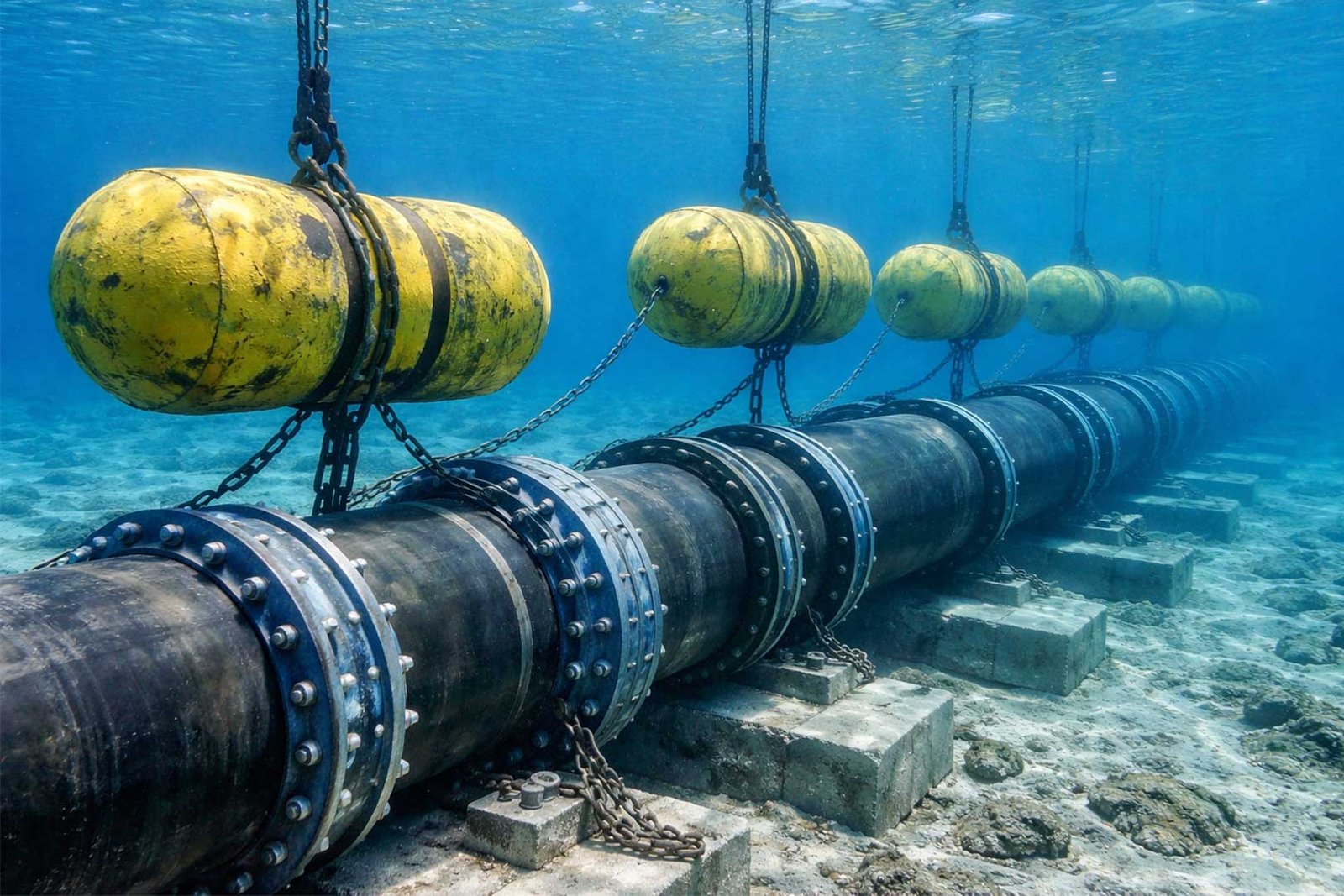
GRP and other composite piping systems can be considered for wastewater, reclaimed-water, cooling-water, and industrial-water networks when they match the project conditions.
ISO 23856:2021 provides a standards basis for considering GRP across several pressure and non-pressure water, drainage, sewerage, and process applications. Before choosing a material, compare
- water chemistry and corrosion exposure
- diameter and hydraulic performance
- operating pressure and surge
- soil and installation conditions
- jointing and repairability
- local contractor capability
- spare-part availability
- lifecycle maintenance
- project CAPEX and OPEX
For GRP, the resin system, chemical compatibility, pressure class, stiffness, joints, temperature, and installation conditions also need to match the project.
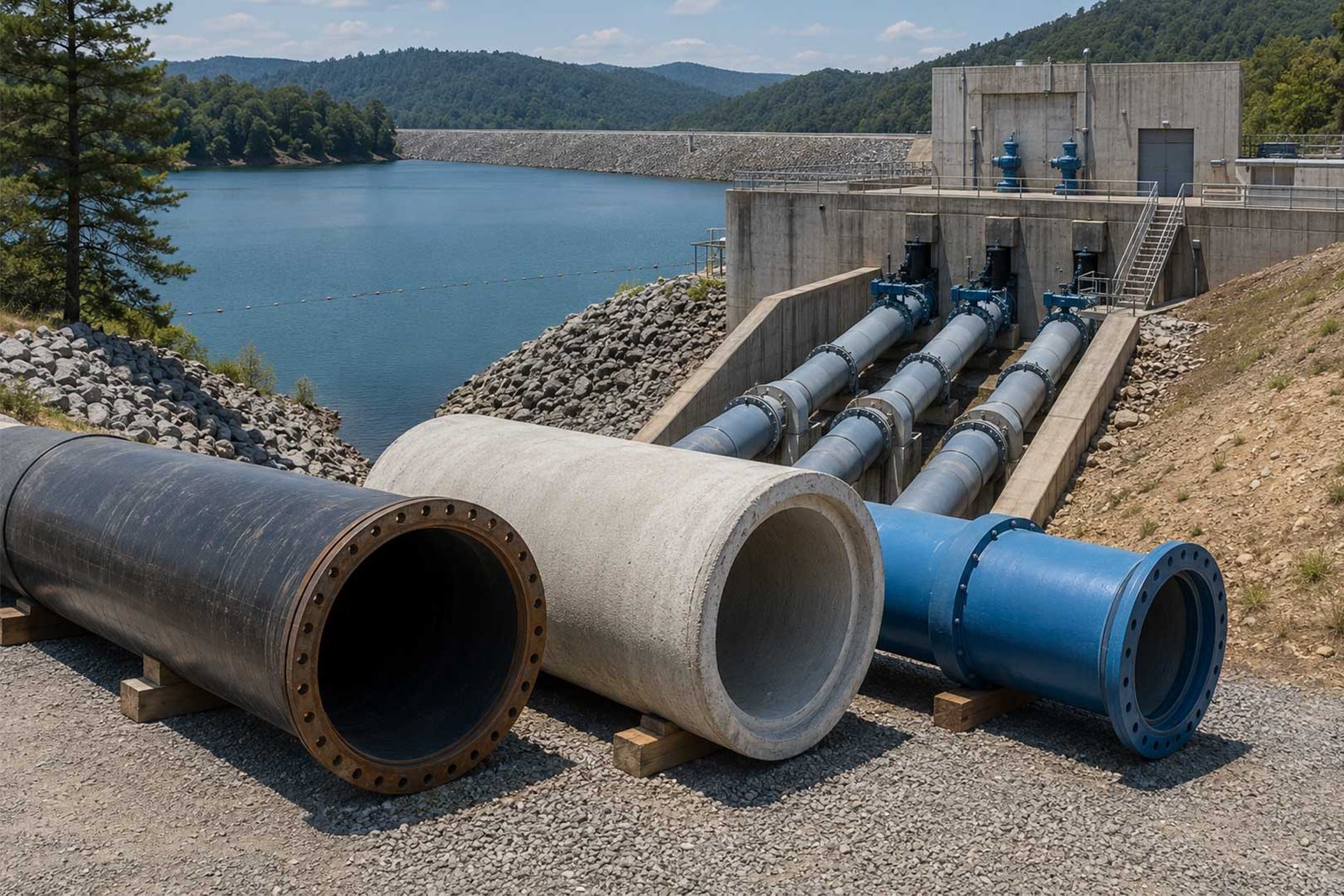
GRP may be a strong option in some systems. Steel, ductile iron, HDPE, PVC, and other materials may be better suited to others. The right material is the one that fits the full project.
From Wastewater Project to Integrated EPC Water Infrastructure
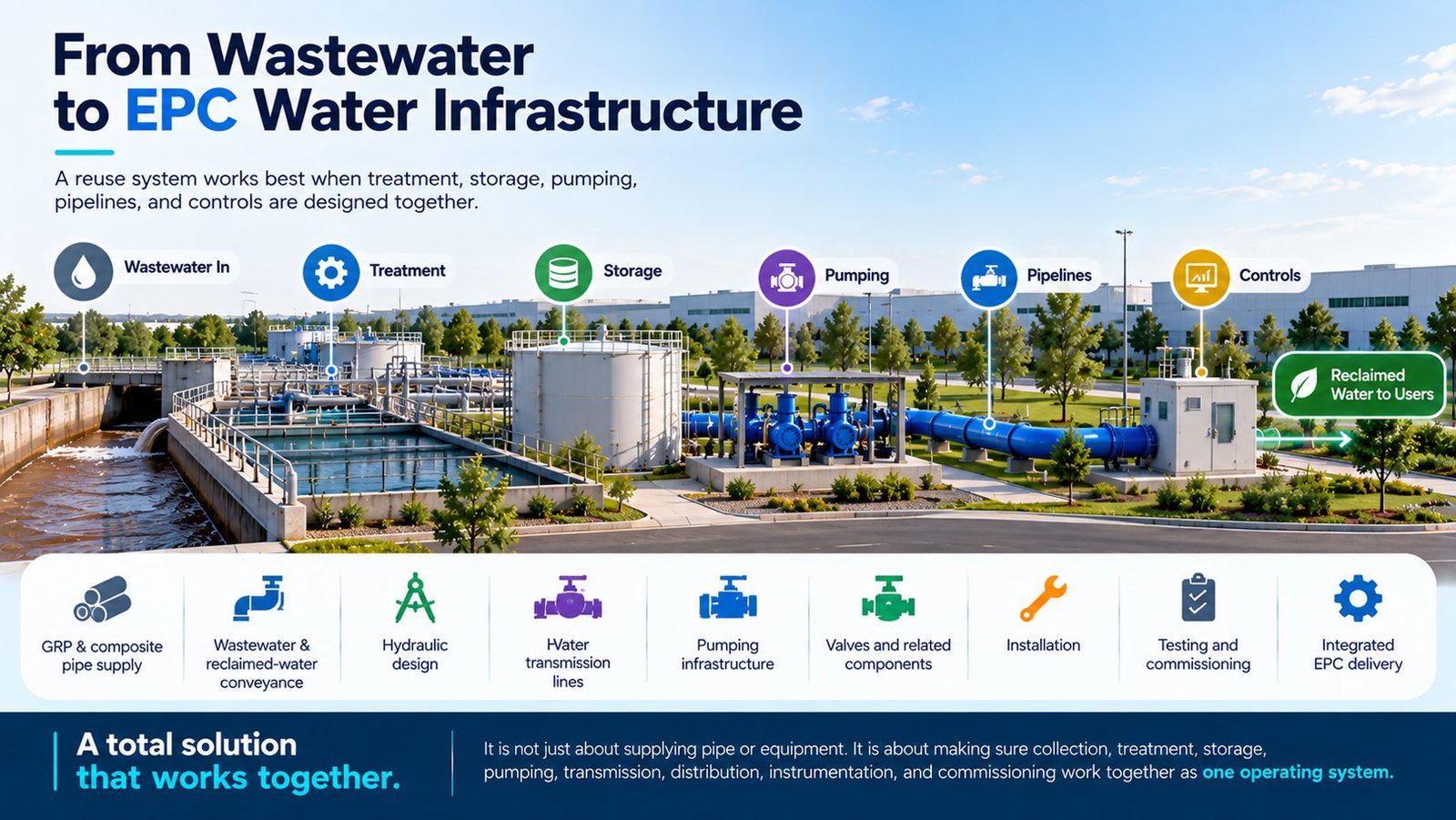
A reuse system works best when its main parts are designed together. Now let’s look at how treatment, storage, pumping, pipelines, and controls connect to the bigger EPC picture.
If treatment capacity changes, storage needs may change. If users need more pressure, the pump duty and pipeline design must support it. If new tenants are coming, the network may need space to expand. Grand LineCore can support projects through areas such as
- GRP and composite pipe supply
- wastewater and reclaimed-water conveyance
- hydraulic design
- water transmission lines
- pumping infrastructure
- valves and related network components
- installation
- testing and commissioning
- integrated EPC delivery
This is where the total solution maker idea has real meaning. It is not simply about supplying pipe or equipment. It is about making sure collection, treatment, storage, pumping, transmission, distribution, instrumentation, and commissioning work together as one operating system.
Conclusion: Reuse Water Before Searching for the Next Freshwater Source
Industrial parks do not always need to look for a new freshwater source first. It is worth checking how much water already moving through the park could be safely reused. Reclaimed water will not work everywhere. Distance, pumping, treatment reliability, and real demand all matter.
But when the conditions are right, reuse can reduce freshwater demand and become part of your long-term water strategy. For East Africa’s next generation of industrial parks, using water more than once may be just as important as finding more of it.
about
The Author

Farshid Tavakoli is a seasoned professional in engineering and international trade. Holding degrees in Electrical Engineering, Mechatronics, and a Doctorate in Business Administration (DBA) from the University of Lyon, he also has a strong background in industrial automation and production line technologies.
For over 17 years, he has led an international trading company, gaining deep expertise in commercial solutions tailored to industrial needs. With more than 8 years of active involvement in infrastructure development, he specializes in the supply of electromechanical equipment for water and wastewater treatment plants and transfer projects.
Together with comapny expert team, he now provides consultancy and integrated solutions for sourcing and implementing complex infrastructure projects across the region.