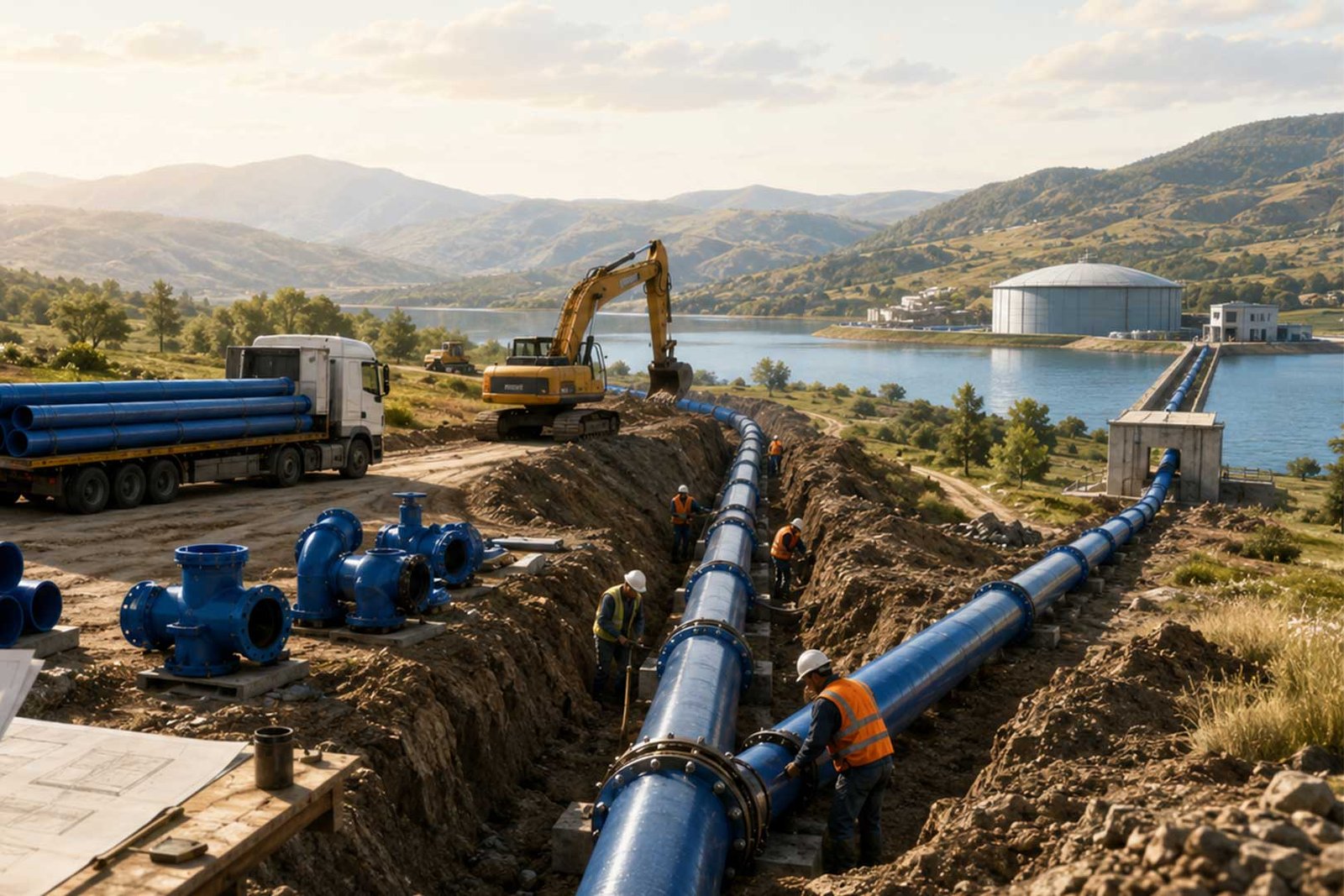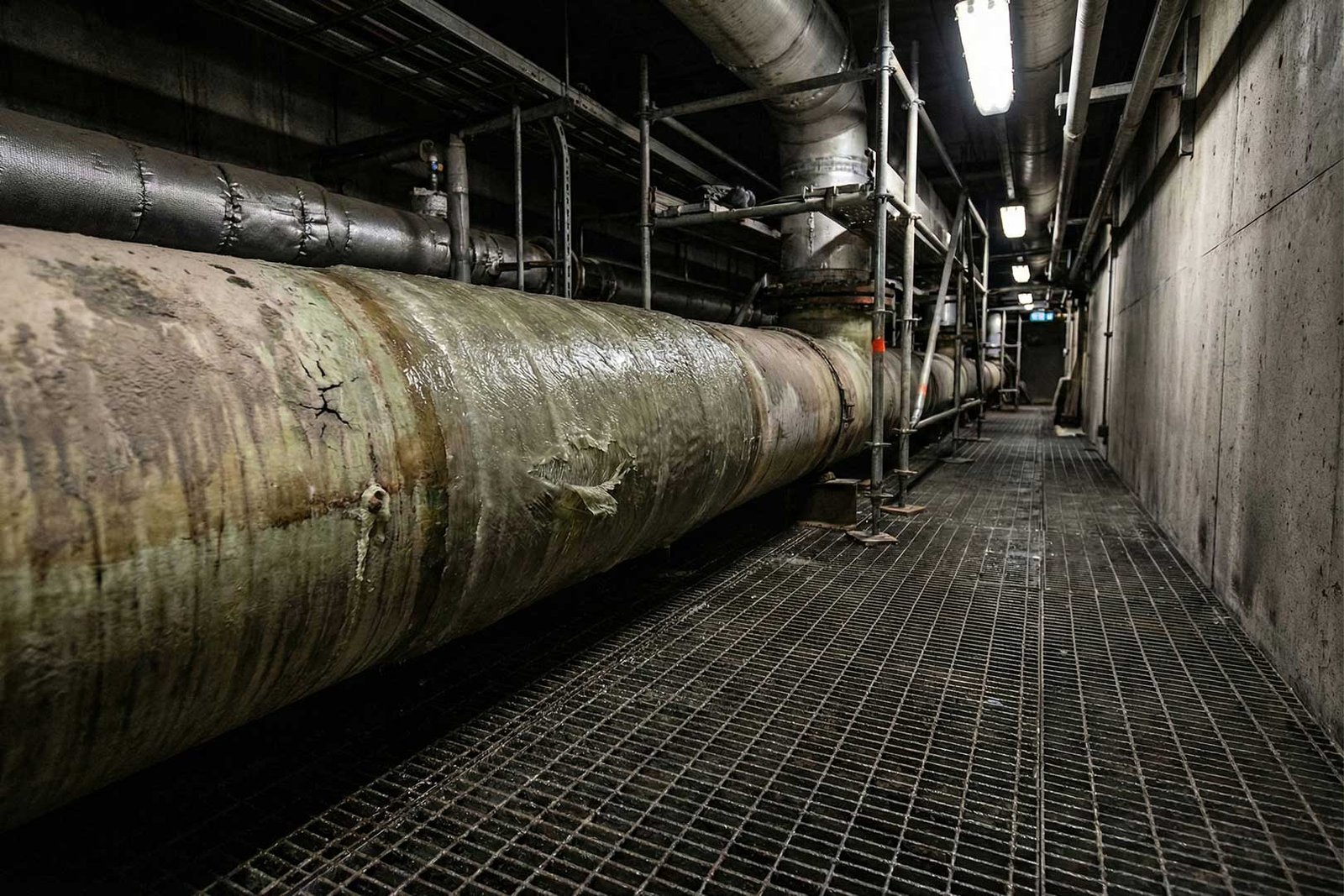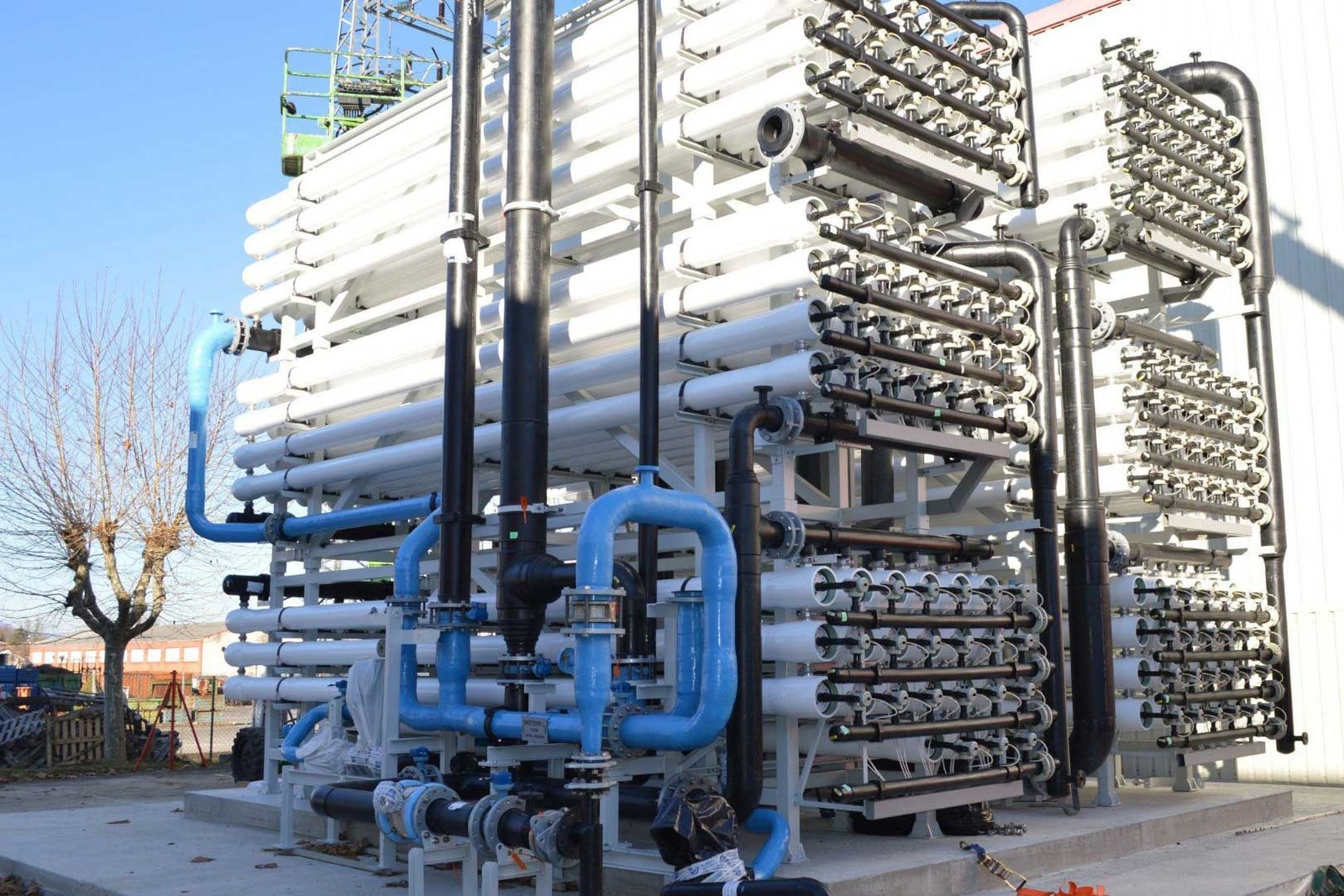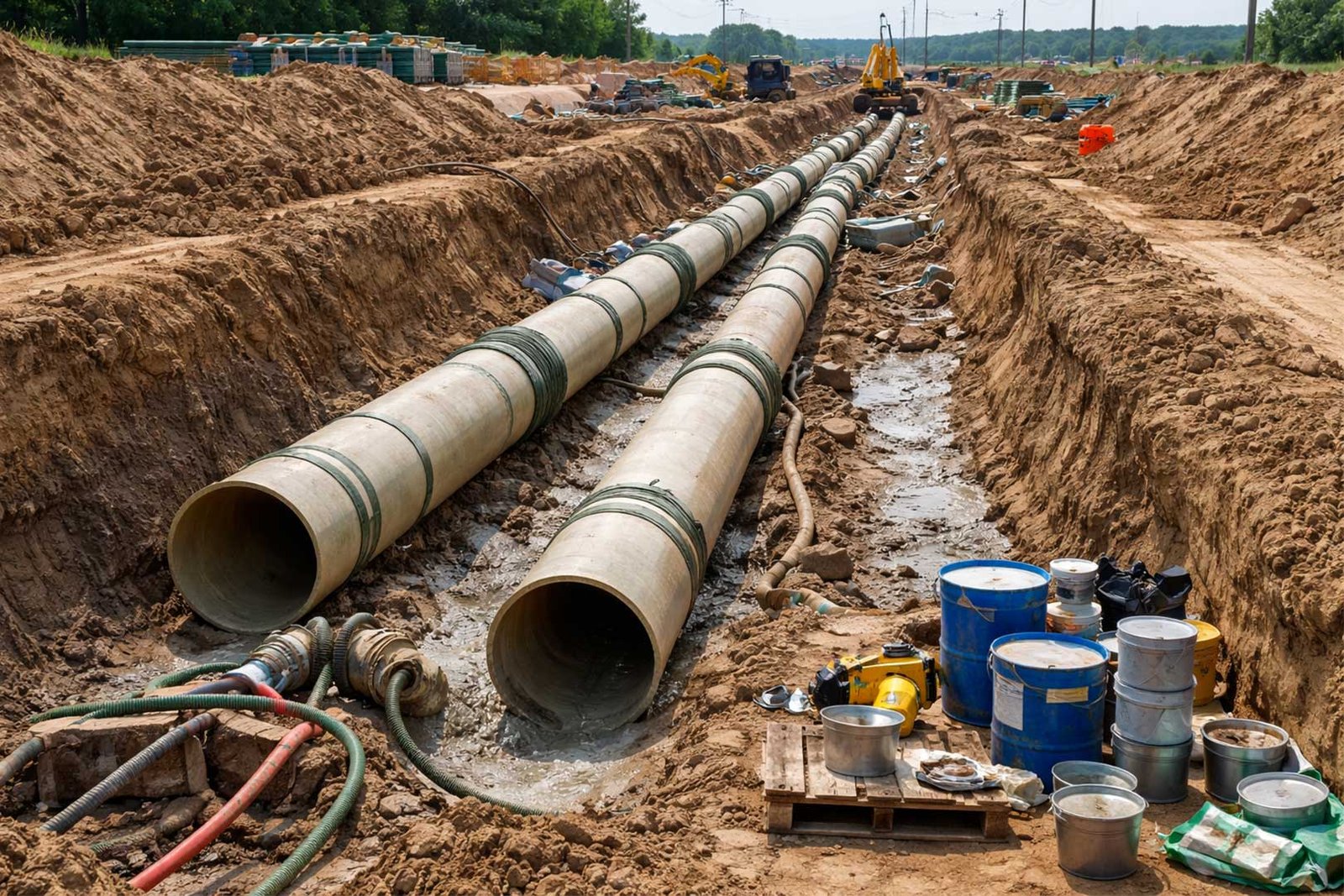
What can lead a composite piping project into failure relies on its sensitivity to joints, installation stress, or the wrong choice of material selection. EPC contractors or agreements are involved with the selection of materials for oil, gas, water, or industrial applications, where the GRP pipe family introduces itself as highly resistant composite pipelines in modern choices.
Despite the magnificent aspects of composite pipes, they may show some flaws, which preparation for and considering them as common mistakes guarantee decades of powerful piping across all industries. That’s why, as a contractor or project manager, this post can make you aware of creating that safety cage around your pipelines.
Before getting into the main mistakes, take a look at the table below to review all mistakes at a glance.
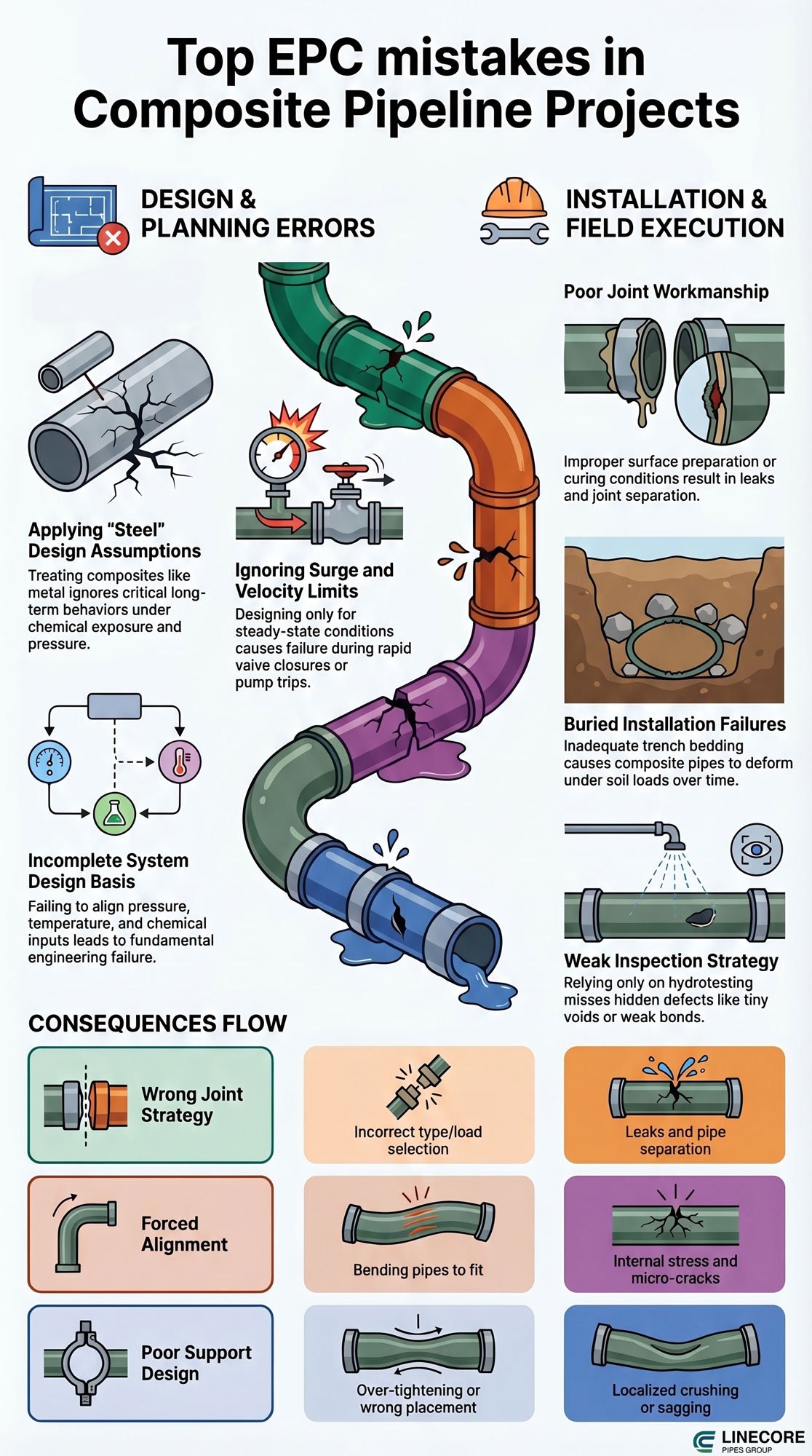
Top EPC mistakes in GRP pipeline projects infographic (source:Pipelinecoregroup.com)
| # | Mistake | Cause | Result |
|---|---|---|---|
| 1 | Incomplete Design Basis | Unclear project inputs | Design failure |
| 2 | Unqualified Systems | Poor supplier/quality | Early failure |
| 3 | Wrong Joint Strategy | Incorrect type/load | Leaks, separation |
| 4 | Poor Joint Workmanship | Bad prep/curing | Joint failure |
| 5 | Handling Damage | Rough transport | Cracks, damage |
| 6 | Buried Install Failures | Bad trench/bedding | Deformation, failure |
| 7 | Steel Assumptions | Wrong design methods | Long-term issues |
| 8 | Forced Alignment | Bending pipes | Stress, cracks |
| 9 | Poor Supports | Wrong placement/tightening | Crushing, sagging |
| 10 | Ignoring Surge | Steady-state only design | Erosion, failure |
| 11 | Late Hydrotesting | Poor test planning | Late rework |
| 12 | Uncontrolled Fabrication | Unqualified field work | Weak fittings |
| 13 | Fireproofing Errors | Wrong materials/application | Safety risk |
| 14 | No Proper Earthing | Missing grounding | Hazard, non-compliance |
| 15 | Temp Mismanagement | Exceeding limits | Cracks, leaks |
| 16 | Weak Inspection | Only hydrotest reliance | Hidden defects |
| 17 | Poor Documentation | Missing records | Disputes, no trace |
| 18 | Uncontrolled Changes | Unapproved substitutions | Mismatch, failure |
| 19 | Weak O&M Plan | No maintenance plan | Downtime, failure |
| 20 | Contract Misalignment | Unclear risk/coverage | Disputes, losses |
Mistake 1: Incomplete or Incorrect System Design Basis
As the first common mistake, let’s go to pre-installation stages, The Design stage. In the design step of composite pipes we’re encountered with multiple choices which can be both confusing and facilitating.
Key inputs like pressure, temperature, chemical exposure, or flow rate must be aligned with project demands, if not, there’ll be failure caused by wrong engineering assumptions or design changes. So, consider design basis as the cornerstone of success in the final system and make it clear and smart!
Mistake 2: Procuring Unqualified Composite Systems
Once you get the design point, do not forget the importance of qualifications of proper suppliers. A weak supplier with a low budget may lead to a huge mistake during next steps or the length of lifespan. Essential factors in well-compounded pipes:
- Manufacturing quality
- Verifications for voids, wall thickness or length
- The substitution of materials with no requalification included
- Weak vendor oversight
- Lack of inspection in factory
Also, spending lower cost for materials may seem cheaper at the first sight, the pipeline fails in long-term operations though. Historical data from the U.S. Bureau of Reclamation shows that early fiberglass pipeline failures were often linked to combined weaknesses in design, manufacturing, and installation practices.
Mistake 3: Joint Strategy and Load Orientation Mismanagement
The jointing system of composite pipes are not the same as steel ones, though they are often joined together in this way or so. Composite pipes include multiple systems for pipe connection that if chosen wrongly it leads to leakage or separation. This means problems like weak anchors, lack of proper loading, or incorrect jointing method show themselves at pipe testing like hydrostatic test or early runs.
Then, to avoid this costly maintenance, consider the right jointing system and load management under hoop or axial forces.
Mistake 4: Poor Joint Workmanship and Cure Control
The right joint selection doesn’t mean that the final project is completely sealed. There are common issues such as:
- Incorrect adhesive and binding agents
- Poor surface preparation
- Curing conditions
- Aggressive environmental factors like temperature, pressure, or acidity
Furthermore, workers and personnel with not enough qualifications may ruin the right choice of jointing method and cause further leakage, breakage, or separation. Well-qualified technicians with strict rules and methods for pipe connection can improve the performance of joints.
In an offshore case study, GRE piping components such as elbows failed during hydrotesting due to a combination of manufacturing defects and installation issues. (Source: ResearchGate)
Mistake 5: Handling and Transportation Damage
Once you ensure the quality of the material, it’s time to make a safe handling setup, from safety tools to heavy machinery, all are included as necessities to prevent cracks, joints failures, delamination, which may happen during the unloading, lifting, storage, placing, or backfilling.
No matter in testing or operation step, common reasons where problems appear contain:
- Dropping pipes
- Incorrect equipment selection
- Protective covers removal too early
Improper inspection after handling can lead to installing cracked pipes that raise the maintenance or repair costs. That’s why careful handling and transportation of composite pipes are essentially required to avoid those unseen dilemmas.
Mistake 6: Buried Installation Failures
Composite pipes are known for their resistance and lightweight for underground systems. But what can make them fail in these situations? There are multiple reasons:
- Poor trench preparation
- Improper bedding
- Inadequate compaction
The plastic essence of composite pipes makes them highly dependent on the surrounding soil conditions, if the backfilling is inconsistent, the pipes will deformed under certain loads. These issues get worse over time and in the case of ignorance, result in failure of pipe’s structure or expensive excavation operations.
- Real-World Example: Field guidance shows that pipe deflection typically develops within the first one to two years after installation and directly reflects installation quality. (Source: Flowtite)
Mistake 7: Applying Steel Design Assumptions
Another common issue among EPCs is behaving the same as traditional metal pipes with modern composite pipes. This different behavior is represented intensively in long-term performance caused by chemical exposure, uncertainty in temperature or pressure rates.
What should engineers do then? To prevent issues like putting too much or less design considerations to it, it’s needed to evaluate the criteria of pipe performance and remove unnecessary inspection that has no impact on the final action. Also, a well base of knowledge on composite pipes, their characteristics, and how they work can be fruitful in these happenings.
Where does this issue come from? From limited experience in the composite pipe world and using the same techniques as metal ones for them.
Mistake 8: Forced Alignment and Fit-Up Stress
Composite pipes are not as resistant as metal ones to force them during the installation. In some cases, to correct a misalignment in flange areas with torque or bending the pipes, internal stress is added. In other ones, microcracks, joint damage, or leakage comes from poor control on dimensions or hurried installation timelines.
Although the final system may appear flowless, the internal stress will ruin it so much that the cost of maintenance will be way more expensive than not using them.
Mistake 9: Poor Support Design and Installation
Incorrect support systems can significantly reduce the lifespan of composite pipelines. The usage of narrow supports, over-tightening clamps, or supports placement at incorrect locations can cause localized stress and deformation. Unlike steel, composite pipes are more sensitive to get crushed or sagged.
In addition, vibration and dynamic loads can lead to progressive damage if not properly managed. Another issue is allowing the pipe to carry the weight of heavy equipment such as valves, which it is not designed to support.
These problems often develop gradually, making them difficult to detect early. Proper support design and installation are essential to prevent long-term damage and maintain operational stability.
Mistake 10: Ignoring Surge, Cavitation, and Velocity Limits
The case of designing the pipelines based only on steady-state conditions can lead to serious problems. Pressure surges, rapid valve closures, and pump trips can create transient loads that exceed the system’s capacity.
In addition, high flow velocities can cause erosion or cavitation, especially at fittings and joints. These effects are often underestimated or ignored during design. Over time, they can damage the internal structure of the pipe and lead to leaks or failure.
Early signs may include noise, vibration, or localized wear. Proper analysis of flow conditions and transient events is necessary to protect the system and ensure reliable operation.
Mistake 11: Late or Poorly Planned Hydrotesting
Once the pipes are installed, they must be inspected through tests like hydrotesting to make sure there is no flow or leak case. In a small system if there is a flaw, it’s more likely to fix it. But in a large assembled system, if a failure occurred, it’s way more time and cost intensive to get fixed. That’s why a delay or not enough carefully tested pipelines will lead to horrible mistakes in EPC of composite pipes. The roadmap below shows how stressful will be a delayed test:
- Poor Planning → finding issue late → repair with taking off the coating, excavation or delamination → rework and schedule chaos
Then keep the tests on time to avoid such problems, even if minor issues or nothing will be found!
Mistake 12: Uncontrolled On-Site Fabrication
Field fabrication is another necessary step of piping setup that is risky due to the improper procedures. Also, handmade and on-site fittings can take the pipes out of verified standards while the supplier side checks them for uniform quality.
These happenings are often hard to inspect before testing, while if found after testing and installation the cost of fixing them will be considerable.
Mistake 13: Fire and Fireproofing Errors
Fire performance is often overlooked in composite pipeline projects, especially in industrial environments. Incorrect material selection or poor application of fire protection systems can reduce the pipeline’s ability to withstand high temperatures.
In some cases, coatings are applied before proper testing, which makes inspection and repair more difficult later.
Mistake 14: Lack of Proper Earthing and Electrostatic Control
Composite materials are not inherently conductive, which creates risks in certain operating environments. If electrostatic discharge is not properly managed, it can pose safety hazards, especially in flammable service conditions. Many projects overlook the need for earthing systems or fail to maintain them after installation. This issue often results from the assumption that non-metallic pipes do not require grounding.
Mistake 15: Poor Temperature and Freeze Management
Temperature effects can significantly impact composite pipeline performance. Exposure to temperatures beyond design limits, often due to improper heat tracing, can weaken the material over time. While, freezing conditions can cause internal fluid expansion, leading to cracks or structural damage. These risks are frequently underestimated during design and operation.
Mistake 16: Weak Inspection Strategy
Here’s the thing: if you only run a hydrotest and call it a day, you’re playing with fire. Sure, it’ll catch a big leak, but what about the small stuff? Tiny voids, weak bonds, or hidden cracks inside the joints can slip right through.
What Happens Next for Composite Pipes
You might think everything’s fine, until it isn’t. A year later, that little defect turns into a big, expensive failure. The problem usually comes down to not planning inspections well enough and not using the right tools for composite pipes. You need more than just a pressure test. Get the right people using the right inspection methods from the start, or you’ll end up finding problems the hard way.
Mistake 17: Poor Documentation and Traceability
Paperwork might seem boring, but it’s your lifeline when things go wrong. During a project, you’re generating tons of info: what materials were used, how each joint was made, what the test results were. But if that info is scattered, missing, or just plain messy, you’re in trouble.
When a pipe fails later, nobody can figure out why. Was it the adhesive? The curing conditions? The batch of resin? Without clear records, everyone starts pointing fingers.
Good traceability means you can track every piece and every step back to its source. Skip it, and you’re risking reliability and a lot of arguments.
Mistake 18: Uncontrolled Substitutions and Late Changes
Swapping out materials or suppliers halfway through a job might seem like a quick fix, especially if you’re trying to save money or deal with a supply hiccup. But with composite pipes, everything’s connected.
The resin, the joint, the design conditions, they all need to work together. Change one thing without checking, and the whole system might not hold up.
Mistake 19: Weak Operation and Maintenance Plan
Many assume composite pipelines need no upkeep, so they skip the operation plan. That is a mistake. These pipes require regular checks for small leaks, joint wear, or external damage. Buried lines also need to be watched for settlement or bend over time. Without a solid maintenance plan, small problems become big breaks. This often happens because handovers are messy and operational crews lack proper training.
Case Study
A clear maintenance schedule extends the system life and cuts down on surprise stops. Industry studies of GRP Center identify joint leakage and impact damage as common long-term failure modes in composite pipelines.
Mistake 20: Contract and Insurance Misalignment
Last but not least, in composite pipeline jobs, the technical risks often do not match the contract and insurance papers. Standard EPC contracts may not say who is at fault for design errors, bad work, or material failures. Here is why this happens and how to avoid it.
- This causes confusion when trouble starts and can lead to disputes between all sides.
- Also, insurance may not pay for certain defects, which leaves holes in coverage.
- Teams often miss these issues when they set up the project, but the problems become critical when claims arrive.
- Clear risk share and matched insurance are needed to keep all parties safe.
LineCore Pipe Group: Work with a Trusted EPC Partner
Avoiding these challenges requires more than awareness. It demands experience, technical expertise, and strict quality control at every stage of the project. LineCore Pipes Group supports EPC contractors and project owners with reliable composite pipeline solutions, from design and material selection to installation support and quality assurance. Partnering with an experienced EPC contractor helps reduce risk, improve performance, and ensure long-term success for your pipeline projects.
about
The Author

Farshid Tavakoli is a seasoned professional in engineering and international trade. Holding degrees in Electrical Engineering, Mechatronics, and a Doctorate in Business Administration (DBA) from the University of Lyon, he also has a strong background in industrial automation and production line technologies.
For over 17 years, he has led an international trading company, gaining deep expertise in commercial solutions tailored to industrial needs. With more than 8 years of active involvement in infrastructure development, he specializes in the supply of electromechanical equipment for water and wastewater treatment plants and transfer projects.
Together with comapny expert team, he now provides consultancy and integrated solutions for sourcing and implementing complex infrastructure projects across the region.