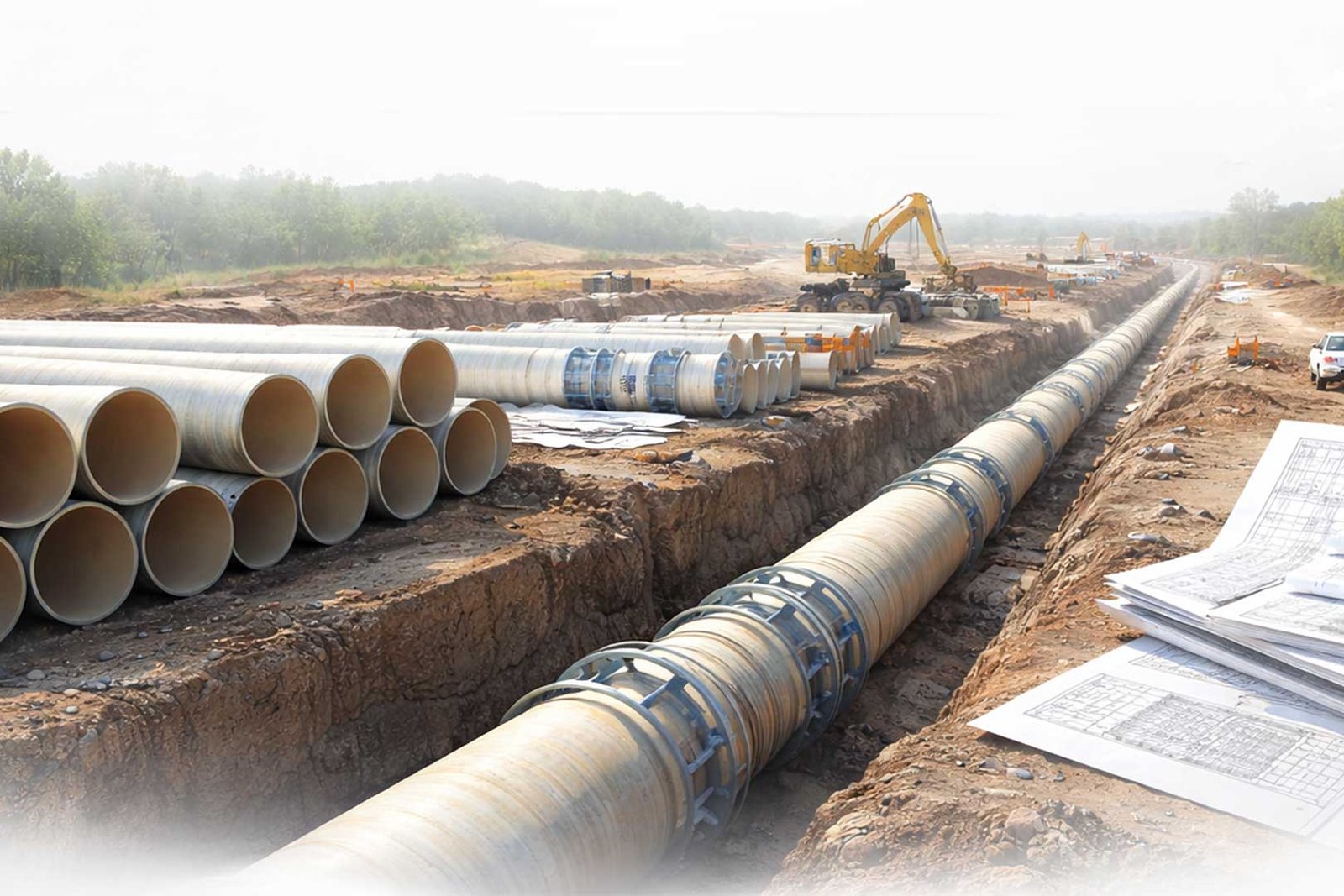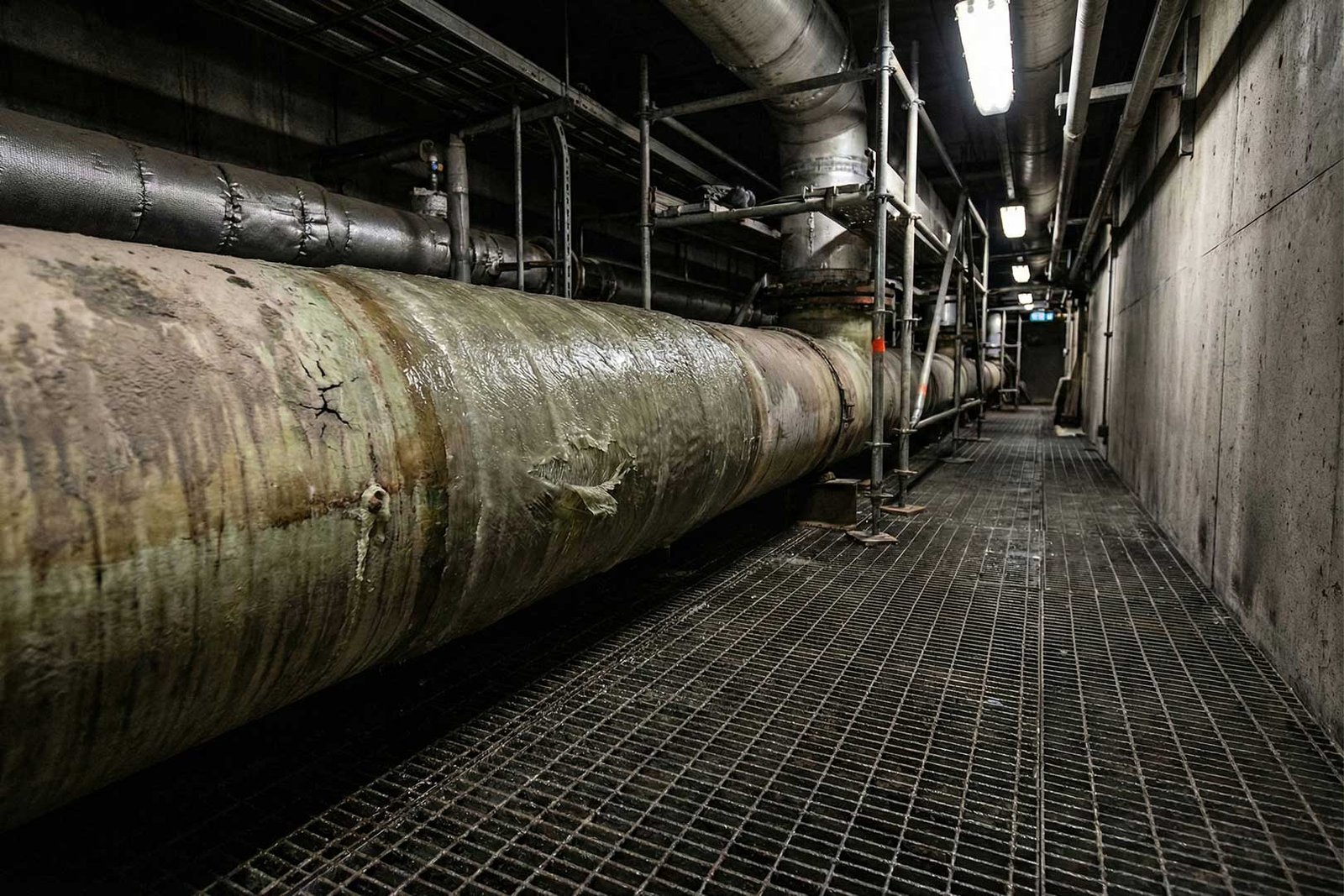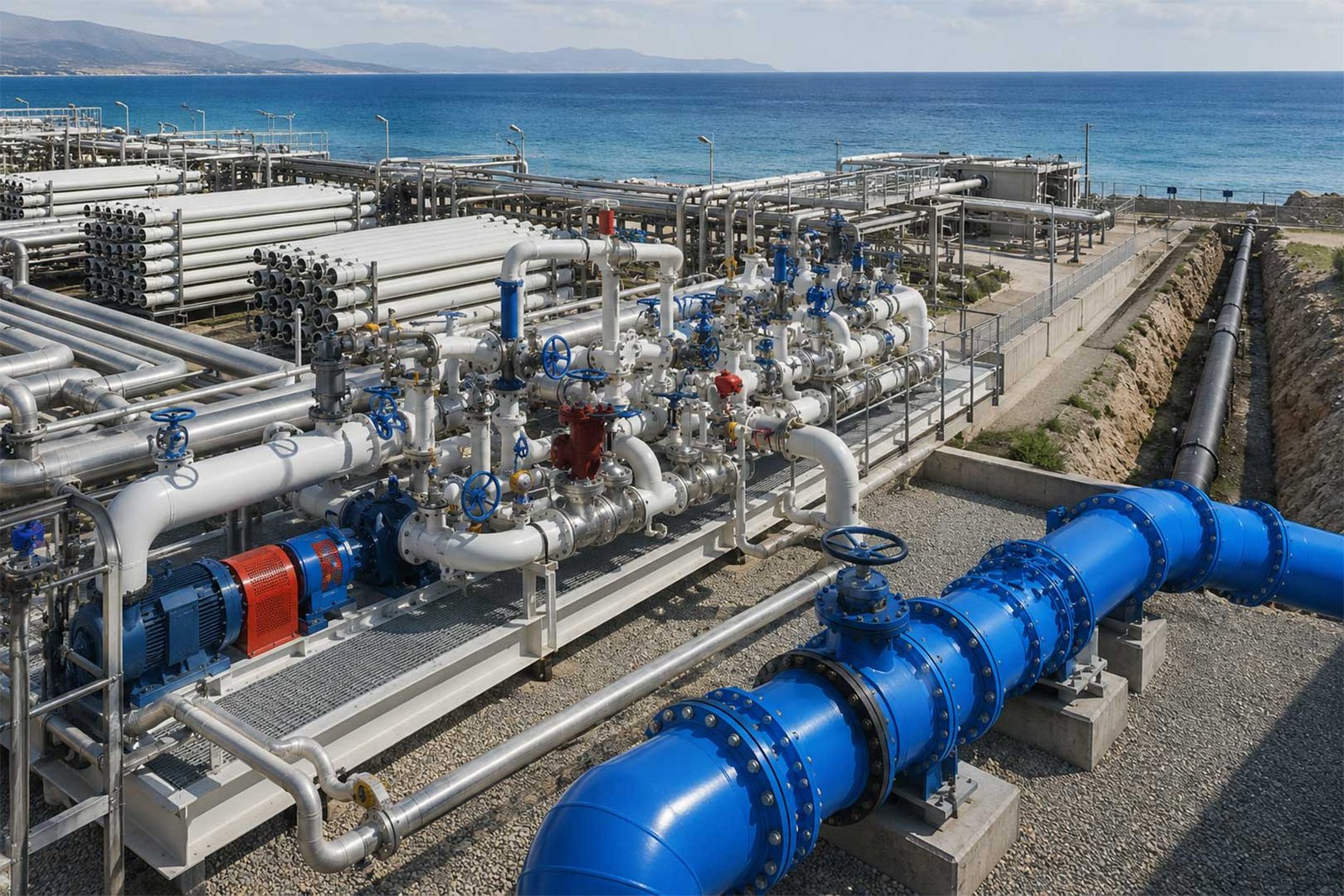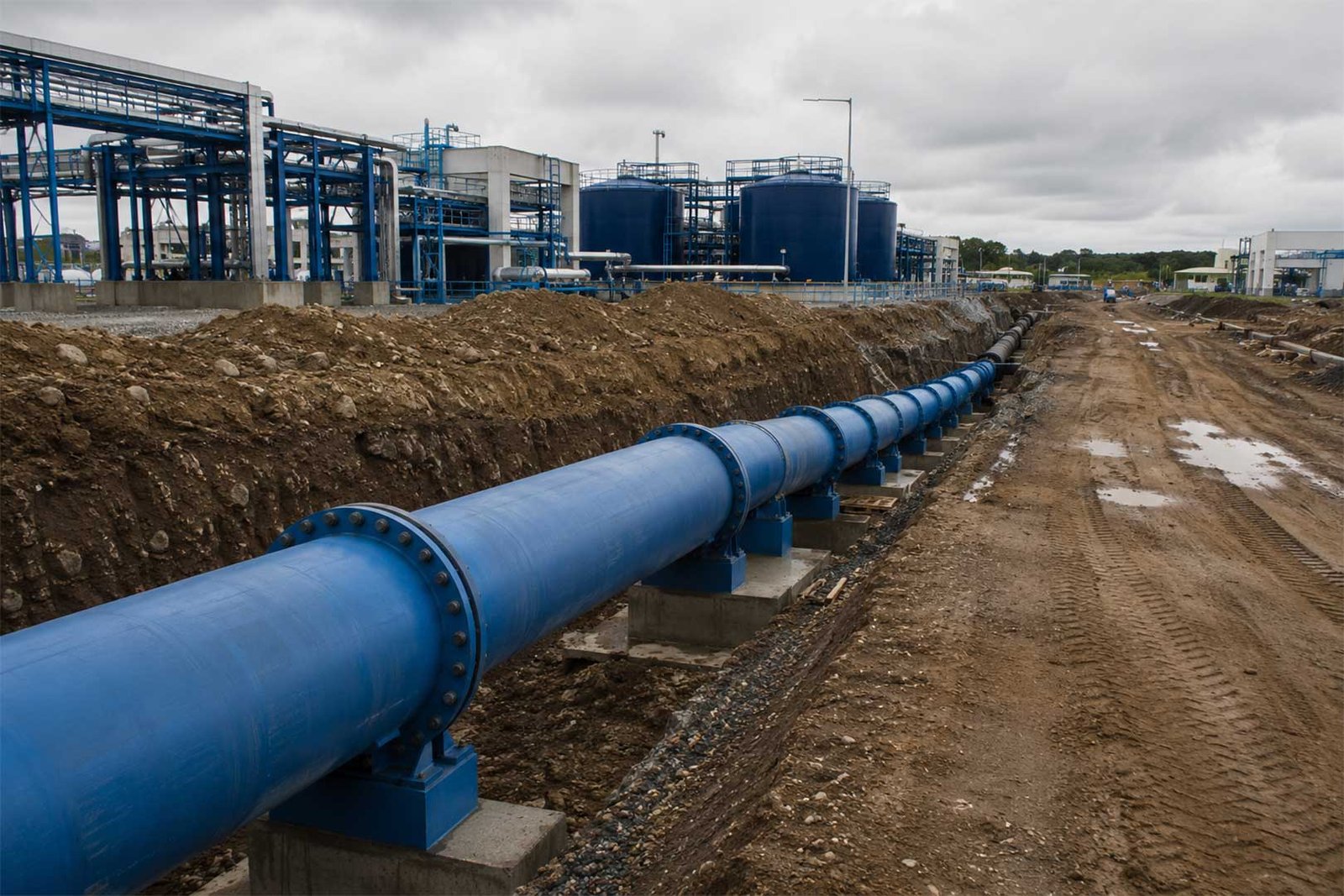
Fast-track water and pipeline projects in GCC and African cities promise speed. We overlap design, procurement, and construction to finish faster. But this often creates design–site divergence. Approved drawings no longer match real site conditions. It means rework, delays, and extra costs that you definitely do not want to happen.
However, we can keep design, manufacturing, and site work aligned if we consider strong change management. Stay with us in this post to see why this happens, what it costs, the challenges with composite pipes, and practical ways to control changes better. We help you deliver your projects on time and on budget.
Why Fast-Track Pipeline Projects Often Go off Track
You want your water pipeline project done fast in GCC and African cities. So the project manager may decide to overlap design, procurement, manufacturing, and construction at the same time instead of finishing one step before the next. This looks good, saves time, but it creates more coordination risk. When everything moves together, small gaps appear easily.
This is what we call design–site divergence: the approved drawings no longer match the real site conditions. Such a problem usually leads to:
- Everything moves at the same time, so coordination becomes much harder
- Small differences between drawings and real site conditions appear easily
- These small gaps quickly turn into big problems on site
The result will be more rework, delays, claims, and budget pressure that nobody wants!
Real-World Example: WSSC Patuxent Raw Water Pipeline (Maryland, USA)
This water transmission pipeline project faced old survey data, missing utility maps, unexpected soil conditions, and very slow answers to site questions.
Result: WSSC Audit reports that the project cost increased by 13% due to change orders and was delayed by 641 days.
Why it matters: This shows how small gaps in information and poor change management can cause major delays and extra costs in real water pipeline projects.
What Is Design–Site Divergence in Water and Pipeline EPC?
Simply put, the approved design on paper says one thing, but the actual site shows something different. You expect the utilities to be in one location, the soil to have certain conditions, and the route to be clear. Instead, you find clashes, surprises, or changes that were not in the drawings.
It is usually not because of one big mistake. It comes from many small coordination gaps that may include incomplete surveys, outdated revisions, unexpected soil, access issues, or route adjustments.
Why Fast-Track EPC Makes Change Management More Important
You start buying pipes, fittings, and spools before the design is fully ready in a fast-track project. While your site team is still discovering real conditions, manufacturing has already started; your construction crews need quick answers, not long delays. That’s why change management matters a lot. Below, we explain some reasons for its importance:
- Procurement timing: We start ordering materials before the design is fully mature
- Production vs reality: Pipes, fittings, and spools may already be in production while site information keeps changing
- Need for speed: Your construction teams need fast answers, not delayed clarifications
- Loss of control: Without proper change control, you lose time and cost certainty
We will show you real numbers from actual projects so you can see how expensive poor change management can become:
| Project | Cost Impact | Schedule Delay | Main Cause | Why It Matters |
|---|---|---|---|---|
| WSSC Patuxent Raw Water Pipeline | +13% due to change orders | 641 days | Outdated data + delayed RFIs | Shows how small gaps create major overruns |
| Charlotte Water Projects | +12% (billed vs actual cost) | Not specified | Weak change order tracking | Hidden cost leakage even without chaos |
| Trans Mountain Expansion | +70% (12.6B → 21.4B CAD) | Several years | Cumulative small changes | Proves many small changes become very expensive |
The Most Common Causes of Design–Site Divergence
Pipeline projects usually start to drift in the same few places. Most problems don’t come from one big mistake. Instead, they build up from several small coordination gaps that appear early in the project. Below are the main causes:
1. Incomplete or outdated site data
The surveys and information used in the design are often old or incomplete. When your team arrives on site, you discover the data doesn’t match reality. This creates many surprises and forces you to change plans after work has already started.
2. Underground utility conflicts
Utilities like cables, pipes, or sewers are rarely in the exact location shown on the drawings. When your team starts digging, you suddenly hit something unexpected. This stops excavation immediately and creates costly delays.
3. Weak coordination and material mismatches
When design, supply, and site teams don’t talk well, small problems grow fast. You often see:
- Unclear package boundaries
- Pipes and fittings that don’t match the latest site needs
- Deliveries that arrive too early or too late
4. Geotechnical surprises
The soil or rock is often very different from what the design assumed — it can be harder, softer, wetter, or less stable than expected. This makes trenching difficult and affects how the pipe sits in the ground.
5. Delayed RFIs, approvals, and outdated drawings
Your site team raises important questions (RFIs), but the answers take too long to come back. At the same time, people keep working with old versions of the drawings. This combination causes confusion and wasted time.
6. Material delivery mismatches
Pipes, fittings, and spools often cause problems when they arrive. You commonly face these issues:
- The delivered materials don’t match the actual site measurements
- Fittings are made based on old or incorrect drawings
- Deliveries come too early or too late for the current work schedule
7. Weak coordination between teams
When design, supply, and site teams don’t communicate well, small problems grow fast. Information gets lost, responsibilities become unclear, and mistakes happen because everyone works with different assumptions.
Here we give you a clear checklist of where pipeline projects usually start to go wrong:
| Cause | What Usually Happens | Effect on Project | How to Prevent It |
|---|---|---|---|
| Incomplete or outdated site data | Old or missing surveys | Many surprises during construction | Verify latest data before procurement |
| Underground utility conflicts | Utilities not in expected location | Sudden stoppage of work | Use utility conflict matrix early |
| Geotechnical surprises | Soil/rock different from design | Extra trenching & bedding work | Conduct proper geotech checks per package |
| Delayed RFIs & outdated drawings | Slow answers + old versions in use | Confusion and wasted time | Set strict RFI turnaround targets |
| Material delivery mismatches | Wrong pipes or fittings arrive | Idle time and rework | Align manufacturing with site readiness |
| Weak coordination between teams | Poor communication between design, supply & site | Small issues become big problems | Hold regular cross-team alignment meetings |
The Business Impact: What Happens When Change Is Not Managed Well
When change is not managed well, it hurts your project in very real ways. Here’s what you will actually face:
- Rework and wasted time: Your team has to redo work or dig up pipes that were already installed.
- Delays everywhere: Trenching, tie-ins, testing, and handover all get delayed.
- Higher costs: Late changes and claims make the project more expensive than planned.
- Procurement problems: You pay for materials that later don’t fit or need fixing.
- Factory and site mismatch: The factory keeps making parts while the site needs something completely different.
- Loss of confidence: You and your consultants start losing trust in the whole delivery process.
Real-World Example: Charlotte Water Design-Build Projects (North Carolina, USA)
Charlotte Water stated that in several water projects, the change management process was weak. The teams did not track costs and savings properly, and many change orders were not handled well.
Result: The billed costs were 12% higher than the actual money spent on the work. In one project, they failed to record $500,000 in savings through proper change orders.
Why it matters: Even when the construction site looks normal, poor change control can quietly increase your total cost without anyone noticing until it’s too late. It shows that good change management is important for controlling money, not just for fixing technical problems.
Why Composite Pipe Systems Require Smarter Coordination — Not Just Better Materials
Composite pipes like GRP are great for many good reasons. They are lightweight, strong, and resist corrosion well. They can make your project faster and more durable. These are what you really want. But that is not enough for sure. All design, manufacturing, and installation parts need to coordinate very well for your project’s success. To keep everything aligned, you need these things done perfectly:
- Design and engineering
- Manufacturing and fabrication
- Fittings and jointing methods
- Bedding and backfill quality
- Testing and inspection
When these elements work together, composite pipes deliver their full benefits. Supplier involvement and strong installation discipline are essential.
From Manufacturing to EPC Delivery: A More Integrated Way to Manage Change
The real difference happens when manufacturing and site work are handled by one team instead of separate ones. We connect everything from the start so the gap between factory and field becomes much smaller.
Early Coordination
We bring design, production, procurement, and your site team together right from the beginning. This helps us catch problems early. You benefit because:
- We spot possible mismatches quickly
- Everyone works with the same information
- We make decisions faster
- We solve issues before materials are made
Better Visibility
You get clear visibility on pipes, fittings, spools, and delivery dates. Everyone sees the same updated information, so there are fewer surprises on site.
Package-Level Planning
We break your pipeline into smaller packages and plan each one carefully. This gives you better control and makes it easier to adjust when site conditions change.
Faster Technical Response
When something unexpected happens on site, we respond quickly. You won’t be left waiting for answers. We usually provide:
- Fast assessment of the change
- Clear options for what to do next
- Updated advice for fabrication or installation
Closer Alignment
We keep the approved design closely matched with the actual pipes and fittings we make. This means fewer mismatches when materials reach your site and less rework.
Total Solution Approach
We give you one complete solution, from making the pipes in our factory all the way to installing them on site. One team handles everything, so change management becomes easier and smoother for you.
Real-World Example: Trans Mountain Expansion Pipeline (Canada)
This was a very large pipeline project. Trans Mountain Updates indicates that many small changes happened because of design updates, difficult ground conditions, weather, and safety requirements.
Result: The total cost jumped from CAD 12.6 billion to CAD 21.4 billion, an increase of nearly 70%.
Why it matters: It is a clear warning that many small changes on a long pipeline can quickly add up and become very expensive. Even big, experienced teams can lose control of time and budget if change management is not strong.
The Role of Digital Coordination in Keeping Projects Aligned
The good news is that you don’t have to manage everything with phone calls and emails anymore. Digital coordination makes life much easier on fast-track pipeline projects. Here’s how it helps you:
- Better version control: Everyone always works with the latest drawings and documents. No more confusion from outdated files.
- Faster communication: The office, factory, and site team can share updates instantly instead of waiting for emails or calls.
- Improved visibility: You can see real-time route conditions, installation progress, and any issues as they happen.
- More confidence: Fabrication, delivery, and fit-up become more reliable because everyone sees the same accurate information.
- Reduced risk: The chance of working with wrong or old drawings drops dramatically.
What Project Owners Should Look For in a Water Pipeline EPC Partner
You need to choose the right EPC partner for your water pipeline project. Do not focus only on price. Focus on who can reduce your risks and keep the project on track. In the following, we have prepared a list of what you should check:
- Can they handle both pipe supply and actual site work?
- Do they really understand composite pipe systems, not just deliver pipes?
- Can they respond quickly when site conditions change?
- Do they have strong coordination between the factory and your site team?
- Can they control drawings, revisions, and documents properly?
- Can they protect your schedule without cutting quality?
If your EPC partner is strong in these areas, you will face fewer problems, less stress, and a much better chance of finishing on time and on budget.
This table helps you quickly evaluate whether a potential EPC partner can reduce your project risks:
| Criteria | Why It Matters | Risk if Missing | What Good Partners Do |
|---|---|---|---|
| Can handle both supply and site execution | Reduces factory vs field gap | Mismatches and rework | Manages pipes + installation as one team |
| Understands composite pipe systems fully | Ensures correct installation, not just delivery | System failure after installation | Provides installation support & training |
| Responds quickly to site changes | Prevents small issues from growing | Costly delays | Gives fast technical response |
| Strong factory-to-field coordination | Keeps manufacturing aligned with site | Wrong materials delivered | Uses shared digital visibility |
| Controls revisions, approvals & documentation | Avoids working with outdated information | Mistakes during installation | Maintains single source of truth |
| Protects schedule without sacrificing quality | Delivers on time with high standards | Quality compromise or late handover | Balances speed with proper controls |
How LineCore Prevents Design–Site Divergence in Fast-Track Pipeline Projects
Fast-track EPC does not fail because the project moves quickly. It fails when design, supply, and site work stop moving together. The real advantage comes from strong change control that keeps everything aligned. For water transmission and composite pipeline projects, success depends on one thing: keeping design, manufacturing, and site conditions in sync from start to finish.
At LineCore Pipes Group, we believe the strongest pipeline projects are not only built with advanced composite systems, but with better coordination between engineering, manufacturing, and execution. Speed matters. But alignment is what truly protects your project, your budget, and your timeline.
If you are planning a fast-track water or pipeline project and want a partner who understands both the factory and the site, feel free to contact us. We’d be happy to help.
about
The Author

Farshid Tavakoli is a seasoned professional in engineering and international trade. Holding degrees in Electrical Engineering, Mechatronics, and a Doctorate in Business Administration (DBA) from the University of Lyon, he also has a strong background in industrial automation and production line technologies.
For over 17 years, he has led an international trading company, gaining deep expertise in commercial solutions tailored to industrial needs. With more than 8 years of active involvement in infrastructure development, he specializes in the supply of electromechanical equipment for water and wastewater treatment plants and transfer projects.
Together with comapny expert team, he now provides consultancy and integrated solutions for sourcing and implementing complex infrastructure projects across the region.