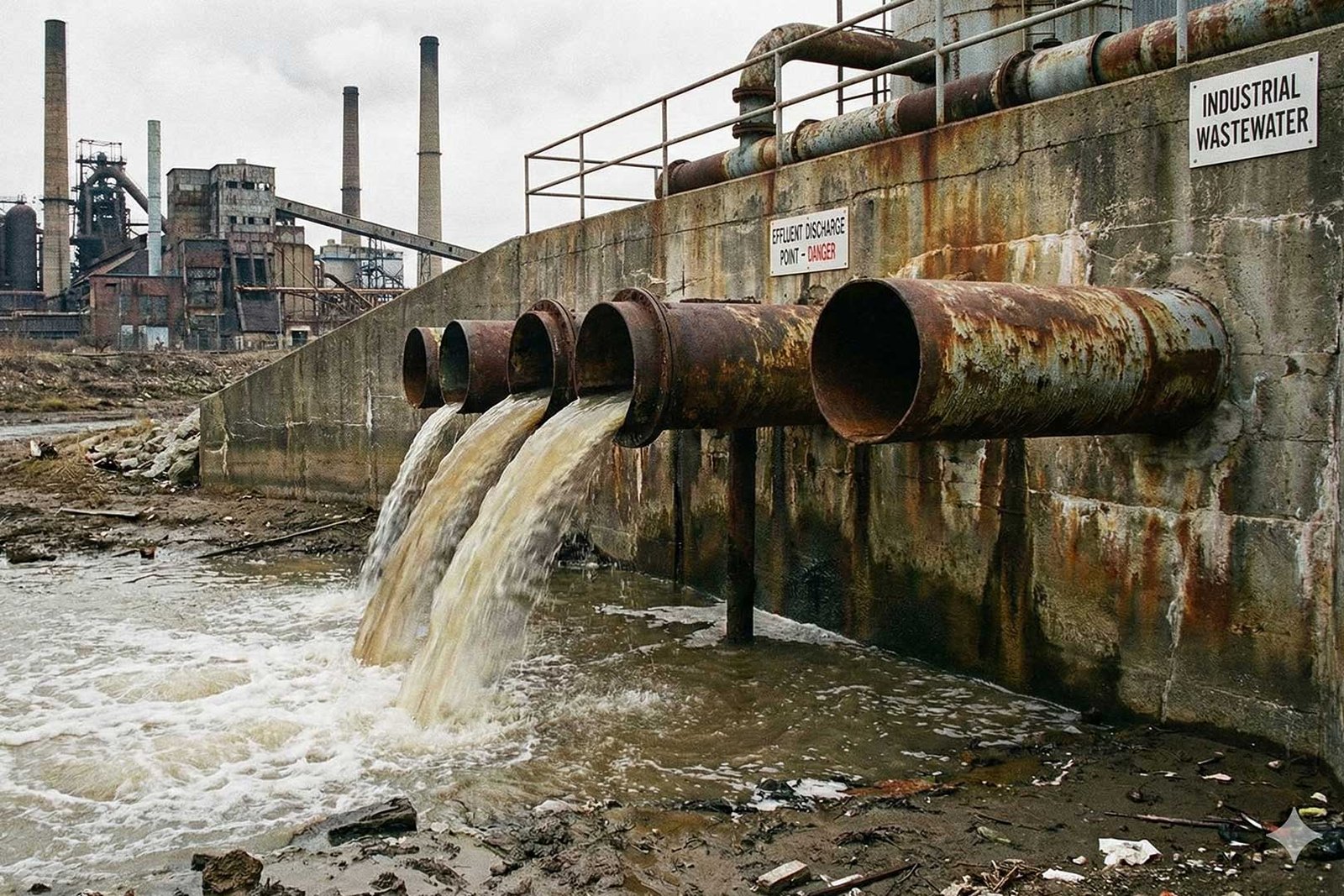
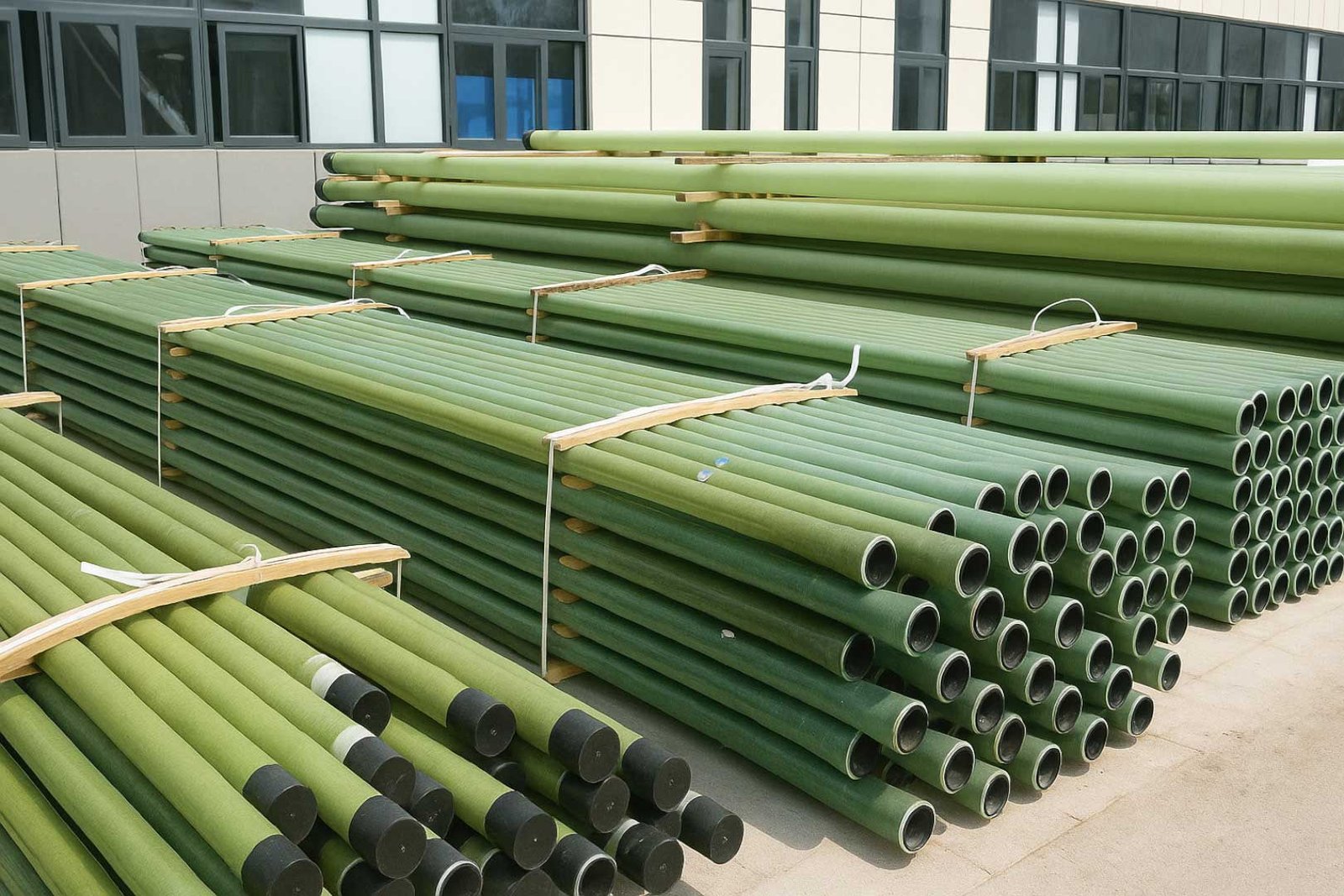
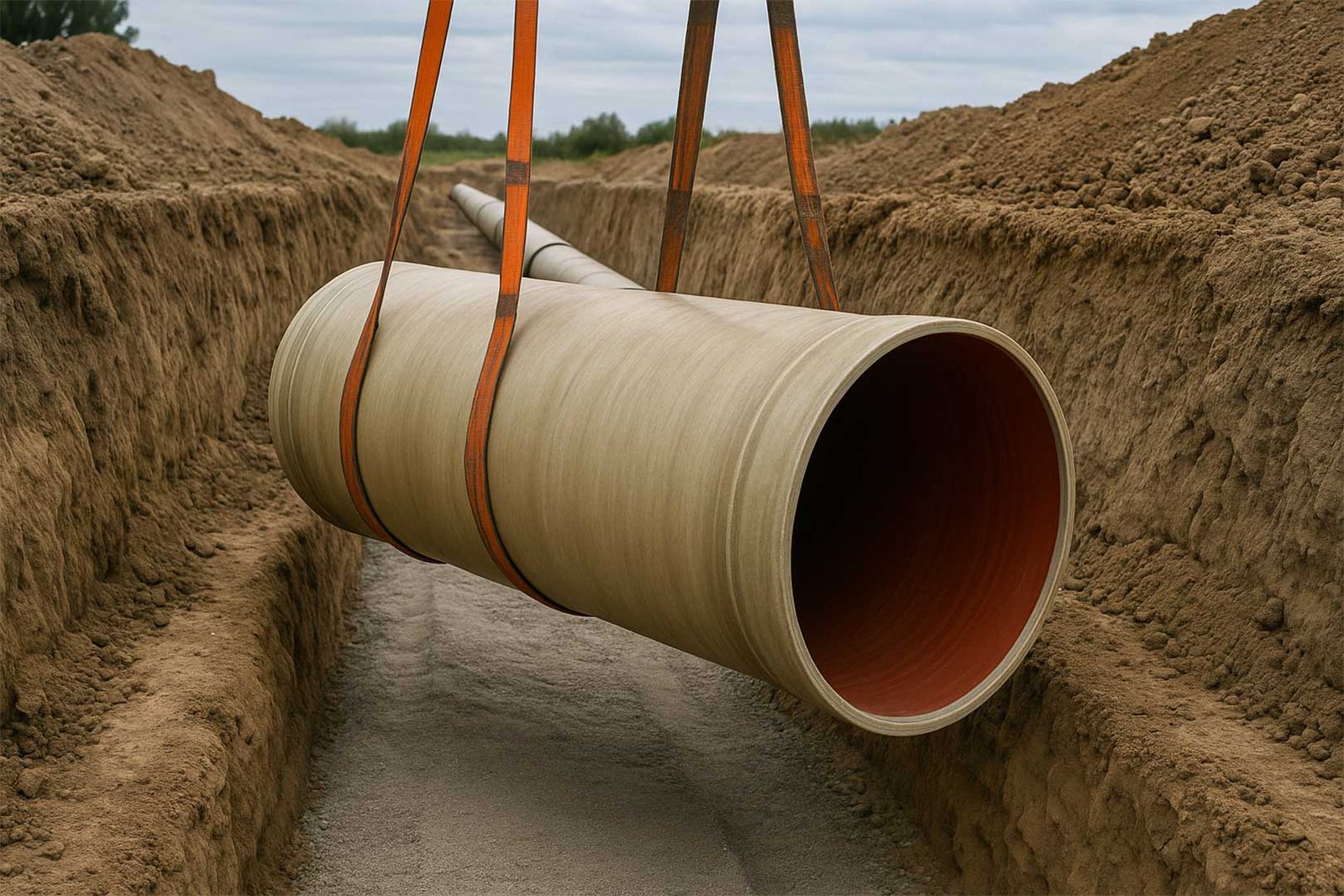
After the steel pipes’ time, it’s time to bring brand new pipelines that beat these traditional pipes that corrode and crack easily. Composite pipes, whether fiber-reinforced plastic or thermoplastics, are such alternatives that last for decades with minimal maintenance requirements. The FRP family is the most modern solution for piping projects, whether in water, sewer, or industrial use cases.
This article guides you to reach such an understanding of the usage of composite pipes from residential plumbing to large-scale offshore oil platforms.
The Multilayer Design of Composite Pipes: What Makes Them Different
Composite pipes are such layered pipes made by fibers, plastics, or metal foils in special cases. This matter makes them lightweight yet resistant under heavy loads or when facing high-pressure flows. This section goes through their materials and the reasons they are better choices than steel pipes.
Layering Design: A resin-rich inner layer that resists chemicals, the structural layer handles axial and hoop loads, and the outer layer that protects pipes from harsh environments or
The Materials Used in Each of the Composite Pipe Types
Core materials used in composite pipes include high-performance thermoplastics (PE, PA, PVDF), thermoset resins (polyester, vinyl ester, epoxy), and sometimes thin aluminum foils for gas-tight barriers.
| Pipe Type | Reinforcement Fibers | Thermoplastics | Thermosets | Metal Foils |
|---|---|---|---|---|
| GRP | Glass fibers (70-80%) | Polyester/Vinylester (20-30%) | Polyester resin (90%) | Rarely used |
| GRE | Glass/Carbon fibers (70-80%) | Epoxy resin (100%) | Epoxy resin (100%) | None |
| GRV | Glass fibers (70-80%) | Vinylester resin (20-30%) | Vinylester resin (100%) | Rarely used |
| RTP | Aramid/Glass fibers (20-40%) | PE/PA11 (60-80%) | Minimal thermosets | Metal wire/foil (optional) |
| MLCP | None (Metal-plastic design) | PEX (60-80%) | None | Aluminum foil (20-30%) |
| PPR Fiberglass | Fiberglass (40-60%) | Polypropylene (PP) (40-50%) | Polypropylene resin (100%) | None |
| Spoolable Composite | Aramid/Glass fibers (40-50%) | PE/PA11 (50-60%) | Minimal thermosets | None |
What Comes Next? These materials provide such corrosion-free layers and a high strength-to-weight ratio, which handles heavy loads and eases the installation process at the same time.
Composite Pipe Types: from FRPs to Spoolable Composite Pipes
Once we’ve figured out what composite pipes are made of, it’s time to check their types and use cases across industries.
FRP Family: Fiber Reinforced Plastic
FRP is the umbrella term for fiber-reinforced plastic pipes that are mainly resin-based. GRP, GRV, and GRE pipes are popularly used in various municipal or industrial pipelines due to their resistance to corrosion, pressure, and long lifespan over decades.
What Are the Manufacturing Methods of FRPs?
They can be made from four major methods, with the two main ones being filament winding and centrifugal casting. (Source: Scribd)They shape pipes into various orientations and make them rigid to resist both internal and external pressure. Specs like DN, PN, and SN can be designed based on the project demands.
Where Are FRPs Applicable?
- Desalination plant intake and outfall lines
- Chemical process piping
- Offshore platform firewater
- Municipal sewer mains
- Power plant and cooling systems
MLCP – Multilayer Composite Pipe (Metal-Plastic)
To avoid leaks in walls, MLCP pipes are a modern solution for buildings. They’re designed in several layers: one made of PEX, one adhesive, a thin aluminum foil, another adhesive, and the PE outer layer to protect from UV light.
Main Features
100 % oxygen barrier (meets DIN 4726), bend radius 5× diameter by hand, rated 10–16 bar at 70 °C, completely corrosion-free inside the slab or drywall.
Top Applications of MLCP
- Domestic hot- and cold-water risers
- Radiator and fan-coil connections
- Potable water distribution
- Solar thermal circuits
- Cooling water lines
RTP: Reinforced Thermoplastic Pipe
To be compatible with fluid transmissions, these pipes are designed with an inner HDPE, middle layers of aramids or carbon fibers that are wrapped with more thermoplastics with no metal included. Core specifications are:
- Pressure ratings from 50 to 300+ bars
- fully API 15S or DNV
- reel lengths 3–5 km
- Weighs about 20–25 % of equivalent steel
Where Are RTP Pipes Used?
- Onshore and offshore pipelines
- CO₂ injection lines
- High-pressure water transmissions
- Produced-water reinjection lines
PPR Fiberglass Composite Pipe
These pipes are designed in a way that contains an inner layer of PPR, then a mat of glass fibers, covered by outer PPR that goes for socket welding tools. (Source: ScienceDirect)
Why the Fiberglass Matters
Linear expansion drops from 0.15 mm/m·K down to ~0.03 mm/m·K, basically behaving like copper. No more long, saggy runs or cracked fittings when the boiler hits 90 °C.
Best Applications for PPR Pipes
- Hot-water circulation loops
- District heating networks
- Solar thermal collector piping
- Boiler room and heat-pump connections
- Domestic hot-water distribution
- Radiant heating/cooling
Spoolable Composite Pipe
A similar case for RTP that is lighter and needs no joint for installation. They also require the same thermoplastic and fiber tapes as RTPs. In this way, they can be designed at various angles with no damage.
How Do Spoolable Pipes Benefit Projects?
One continuous length up to 3 km means almost no field joints, installation crews can lay 2–5 km per day, fatigue life exceeds 10 million cycles, and the drum ships on a standard truck. (Sage Journals)
Typical Applications
- Temporary water transfer while pipelines are repaired
- Mine dewatering
- Remote field flowlines with no road access
- Emergency bypass lines around rivers or highways
- Fast-track carbon-capture injection networks
Comparison Table at A Glance: Which Composite Pipe Is the Best for Your Project
To check if the chosen pipe fits your project’s requirements, a comprehensive comparison of composite pipes can pave the way to select the best option. Check the table below for more specifications:
| Type | Structure | Pressure | Temp Range | Installation Style | Weight vs Steel | Typical Diameter Range |
|---|---|---|---|---|---|---|
| FRP (GRP/GRE/GRV) | Thermoset + continuous glass/carbon | 16 to 50 bar | –50 to 150 °C | Stick pipe + bonded joints | ~25 % | 100 mm to 4,000 mm |
| MLCP | PEX-Al-PEX or PERT-Al-PERT | 10 to 16 bar | –10 to 95 °C | Hand-bend + press fittings | ~15 % | 16 to 110 mm |
| RTP | Thermoplastic + aramid/glass/carbon | 50 to 300+ bar | –40 to 120 °C | Spoolable on reels | ~20 % | 50 to 200 mm |
| PPR-GF-PPR | 3-layer PPR + fiberglass core | 20 to 25 bar | 0 to 95 °C | Socket fusion welding | ~12 % | 20 to 160 mm |
| Spoolable Composite | RTP optimized for reels | 50 to 150 bar | –40 to 90 °C | Reel deploy + electrofusion | ~18 % | 50 to 250 mm |
What Makes Composite Pipes Superior Over Traditional Pipes
Compared to old-fashioned steel pipes that required special coatings to resist harsh conditions, composite pipes mainly tolerate the same environment with no added layers. Here are several reasons they surpassed traditional pipelines:
Corrosion Resistance: Unlike steel pipes, composite pipes show perfect resistance to internal and external corrosion in highly chemical conditions. These pipes require no protective coating or lining, nor frequent inspection or further maintenance.
Lighter Weight: Composite pipes are mainly lighter than steel or ductile iron pipes, which makes the installation and transportation processes easier and less costly (in the case of using heavy cranes).
Thermal Expansion: Reinforced composites (e.g., GRP/GRE) achieve linear expansion coefficients comparable to or lower than copper, which can decrease the need for expansion loops required with unreinforced HDPE or standard PPR.
Hydraulic Performance: Composite pipes include a smooth inner surface that can speed up the flow and reduce the need for pumping energy in energy-intensive sectors. (ResearchGate) Also, steel pipes get corroded over time on their inner surface, which reduces the speed.
What Are GRP, GRV, And GRE Pipes?
In the case of composite pipes, the FRP family, including GRP, GRV, and GRE, is the most-used pipe in various urban or industrial applications. These pipes have an incredible lifespan and are lightweight, which makes them the ideal choice for high-risk locations like oil and gas pipelines.
GRP (Glass Reinforced Polyester)
GRP pipes use unsaturated resin that is cheaper than other resin types, while showing less resistance to corrosion and pressure compared to GRE pipes. These pipes are ideal for general use cases, such as water supply and sewer lines, that require such a long lifespan and strength over time.
GRV / GRVE (Glass Reinforced Vinylester)
Made of vinyl ester resin that makes them top choices for desalination and chemical processing, where aggressive conditions (acids, alkalis, and other solvents) require such pipes with no added coating or lining (as they themselves include such protective layers inside).
GRE (Glass Reinforced Epoxy)
This case has the highest price among its family due to the choice of resin type. However, the epoxy showed such resistance to heat and corrosion. Amiblu highlights that GRP pipes are made for extreme conditions where spending a bit more money closes the project to a lifespan of over 50 years with minimal maintenance requirements.
In short: GRP = affordable general use cases, GRV = chemical processing with no degradation, GRE = maximum strength and durability.
How GRP/GRV/GRE Pipes Surpass Metal Pipes?
GRP, GRV, and GRE pipes are top choices for harsh-service applications due to their superior specifications compared to traditional pipelines. They include such performance properties that traditional materials simply cannot match.
- Corrosion Resistance: GRP family resists under seawater, acids, alkalis, H2S, and solvents, where steel pipes typically fail.
- Lifespan: Steel or ductile iron pipes include a maximum 25-year working lifetime that can be less when placed in harsh environments. When in the same condition, the GRP family lasts at least 50 years.
- Hydraulic Performance: As we mentioned before, due to the corrosion of steel pipes, they rust, and the inner surface gets damaged. In contrast, the GRP family is known for their smooth inner surface that decreases the need for pumping energy.
- Fire, UV, and Abrasion Grades Available: Special formulations meet offshore fire ratings and desert exposure.
- Flexible Design: The GRP pipe family can be designed based on the project demands via various manufacturing methods in different diameters or lengths.
Also, check the Table below for the advantages of the GRP pipe family over steel pipes:
| Advantage | GRP (Polyester) | GRV (Vinyl ester) | GRE (Epoxy) | Carbon Steel |
|---|---|---|---|---|
| Cost | ★★★★★ | ★★★★☆ | ★★★☆☆ | ★★★★☆ |
| General corrosion resistance | Good | Very good | Excellent | Poor |
| Aggressive chemicals / acids | Moderate | Excellent | Outstanding | Poor |
| Temperature limit | 70–100 °C | 100–120 °C | 130–150 °C | >500 °C (but corrodes) |
| Mechanical strength | Good | Very good | Best-in-class | High |
| Offshore / sour service rating | Limited | Common | Standard | Requires CRA or coatings |
| Typical service life | 50 years | 50+ years | 50+ years | 15–30 years |
| Weight (vs steel) | ~25 % | ~25 % | ~25 % | 100 % |
- Summary: Choose GRP/GRV/GRE over steel when lightweight, resistance, installation, durability, and overall costs matter the most!
Where Are GRP/GRV/GRE Pipes Used?
● Water & Wastewater
Urban sewer systems, desalination intake/outfall (up to 4 m diameter), drinking water transmission, and irrigation lines use GRP pipes due to their resistance and cost-effectiveness.
● Oil & Gas
Offshore platform firewater and deluge systems, seawater lift, produced-water transfer, tank farm bund lines, high-pressure water and CO₂ injection, downhole tubing (GRE). (What Is Piping)
● Chemical processing
Aggressive chemicals such as acids, caustics, solvents, chlorine, bleach, and aromatic hydrocarbons are transported by corrosion-free GRV pipes.
● Marine & Shipbuilding
Seawater cooling, ballast water, inert gas scrubber lines, fire mains – all certified to IMO, ABS, DNV-GL.
● Power & Energy
Cooling-water headers (once-through and recirculating), fire-protection ring mains, FGD scrubber piping, and ash slurry.
● Industrial & Mining
Tailings lines, acid mine drainage, dewatering, pulp & paper black/green/white liquor, food-grade process (FDA resins available).
FRP vs Other Composite Pipes: Performance Check
FRP pipes are the best option among composite pipes for both industrial and municipal use cases. Let’s see why they outperform other types:
- GRP/GRV/GRE vs MLCP: GRP family is lighter, more flexible for designs in high DN and PN ratings, while MLCP pipes can not be that flexible and are used in potable water.
- GRE vs RTP: While RTP can be used where high-pressure flowlines require such resistance pipes, GRE pipes can be used in the same situation, while the thermal stability makes them perfect for high-risk sectors like oil and gas or firewater pipelines.
- GRP/GRV/GRE vs Steel: Where steel pipes corrode, crack, and leak under harsh and high-pressure flows, the GRP family shows an over 50-year lifespan with lower maintenance requirements that can be installed in hard-to-access sites.
Need Proven Composite Pipe Solutions?
If you’re looking for a reliable GRP, GRV, or GRE pipeline, Line Core Pipes Group is verified to supply and design such a piping system based on your project requirements.
Whether you’re planning desalination, offshore platforms, chemical plants, or water infrastructure, Line Core Pipes Group is your partner in design, installation, and after-sales services.
Contact Line Core Pipes Group today at PipeLineCoreGroup.com to get in touch with your trusted partner for zero-failure piping.
Conclusion
From desalination plants to offshore platforms and sewer systems, GRP, GRV, and GRE composite pipes outperform traditional steel pipes in corrosion resistance, weight, hydraulic performance, and lifespan over 50 years. Choose the GRP family when the initial costs won’t scare you off, the magnificent result lasting over decades.
FAQs
1- What manufacturing methods are used for FRP pipes?
They can be made from four major methods, with the two main ones being filament winding and centrifugal casting.
2- Where are GRP/GRV/GRE pipes typically used?
Desalination plant intake and outfall lines, Chemical process piping, Offshore platform firewater, Municipal sewer mains, Power plant and cooling systems, Oil & Gas, Marine & Shipbuilding, Industrial & Mining.
3- What are composite pipes?
Composite pipes, whether fiber-reinforced plastic or thermoplastics, are such alternatives that last for decades with minimal maintenance requirements.
4- What does FRP stand for, and what does it cover?
FRP is the umbrella term for fiber-reinforced plastic pipes that are mainly resin-based. GRP, GRV, and GRE pipes are popularly used.
5- What is MLCP pipe, and where is it used?
To avoid leaks in walls, MLCP pipes are a modern solution for buildings. Domestic hot- and cold-water risers, Radiator and fan-coil connections, Potable water distribution, and Solar thermal circuits.
about
The Author

Farshid Tavakoli is a seasoned professional in engineering and international trade. Holding degrees in Electrical Engineering, Mechatronics, and a Doctorate in Business Administration (DBA) from the University of Lyon, he also has a strong background in industrial automation and production line technologies.
For over 17 years, he has led an international trading company, gaining deep expertise in commercial solutions tailored to industrial needs. With more than 8 years of active involvement in infrastructure development, he specializes in the supply of electromechanical equipment for water and wastewater treatment plants and transfer projects.
Together with comapny expert team, he now provides consultancy and integrated solutions for sourcing and implementing complex infrastructure projects across the region.