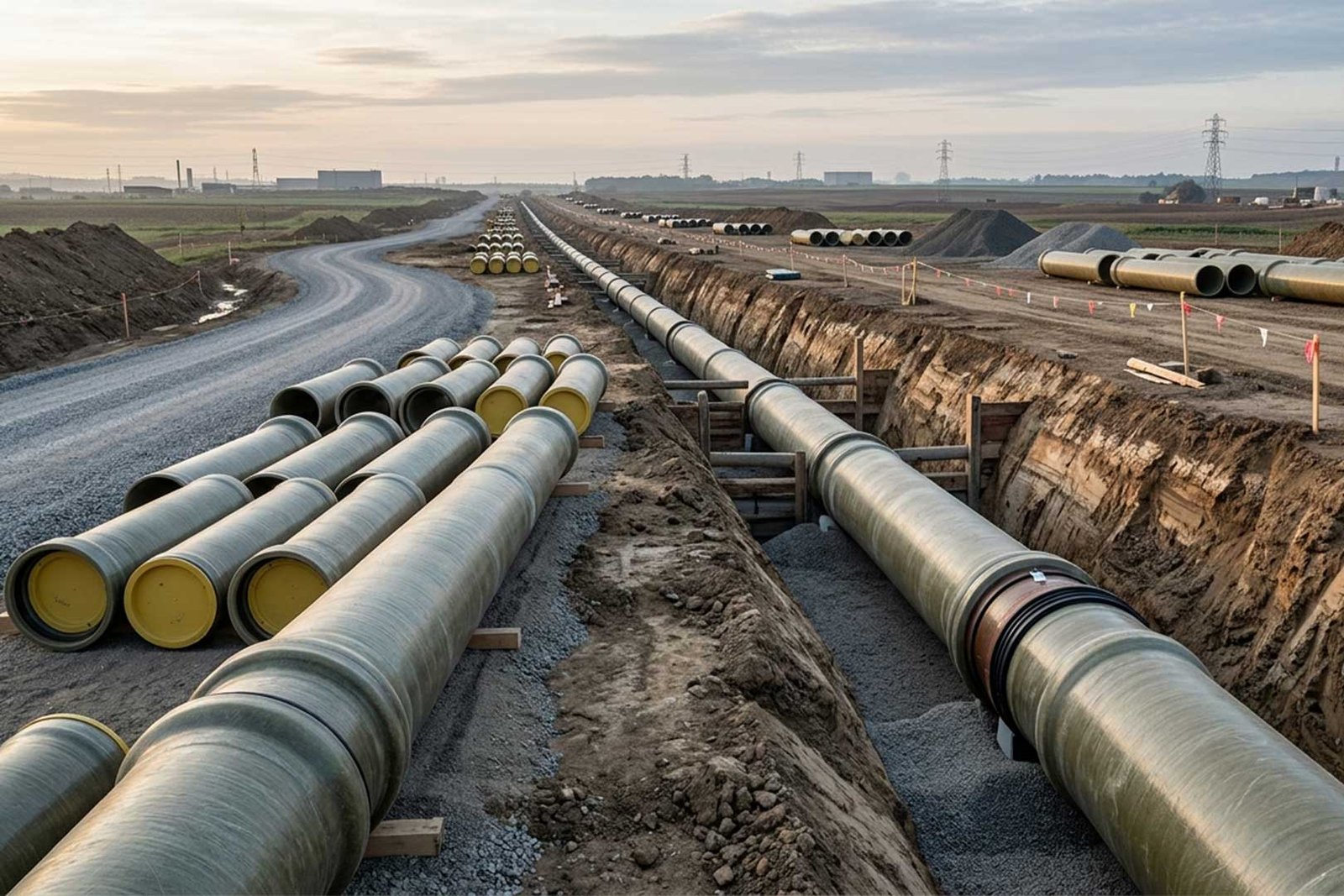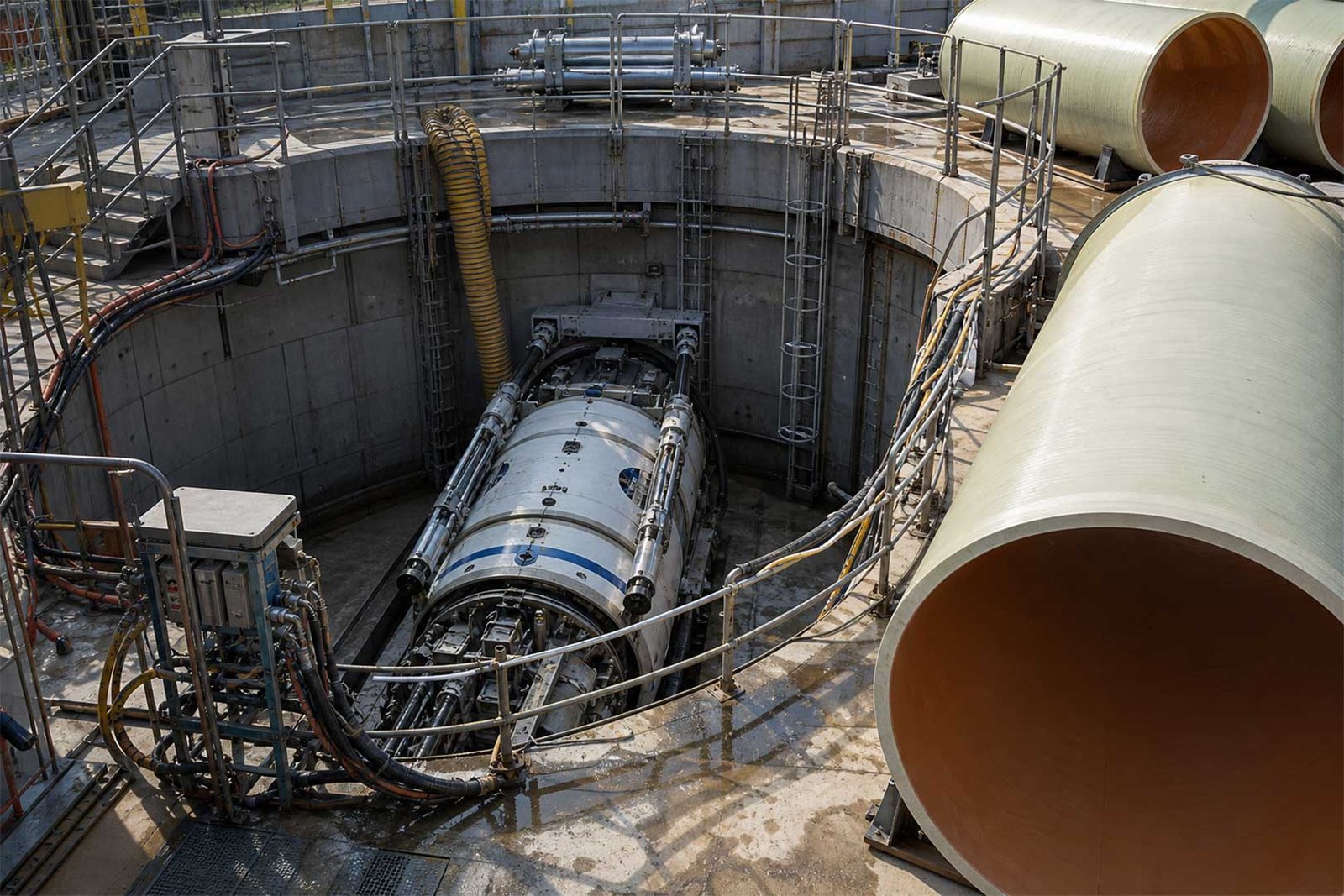
You install water pipelines in busy cities across the GCC and Africa, where open digging creates big traffic problems and high costs. Microtunneling lets you put large GRP pipes underground without a big surface mess, but these projects are tricky and can cost a lot if things go wrong. You need good pipes, accurate alignment, and careful planning right from the start.
LineCore Pipes Group makes the GRP pipes and handles the full EPC work to help you succeed. In this post, we aim to show you why risk management matters and how to handle it step by step.
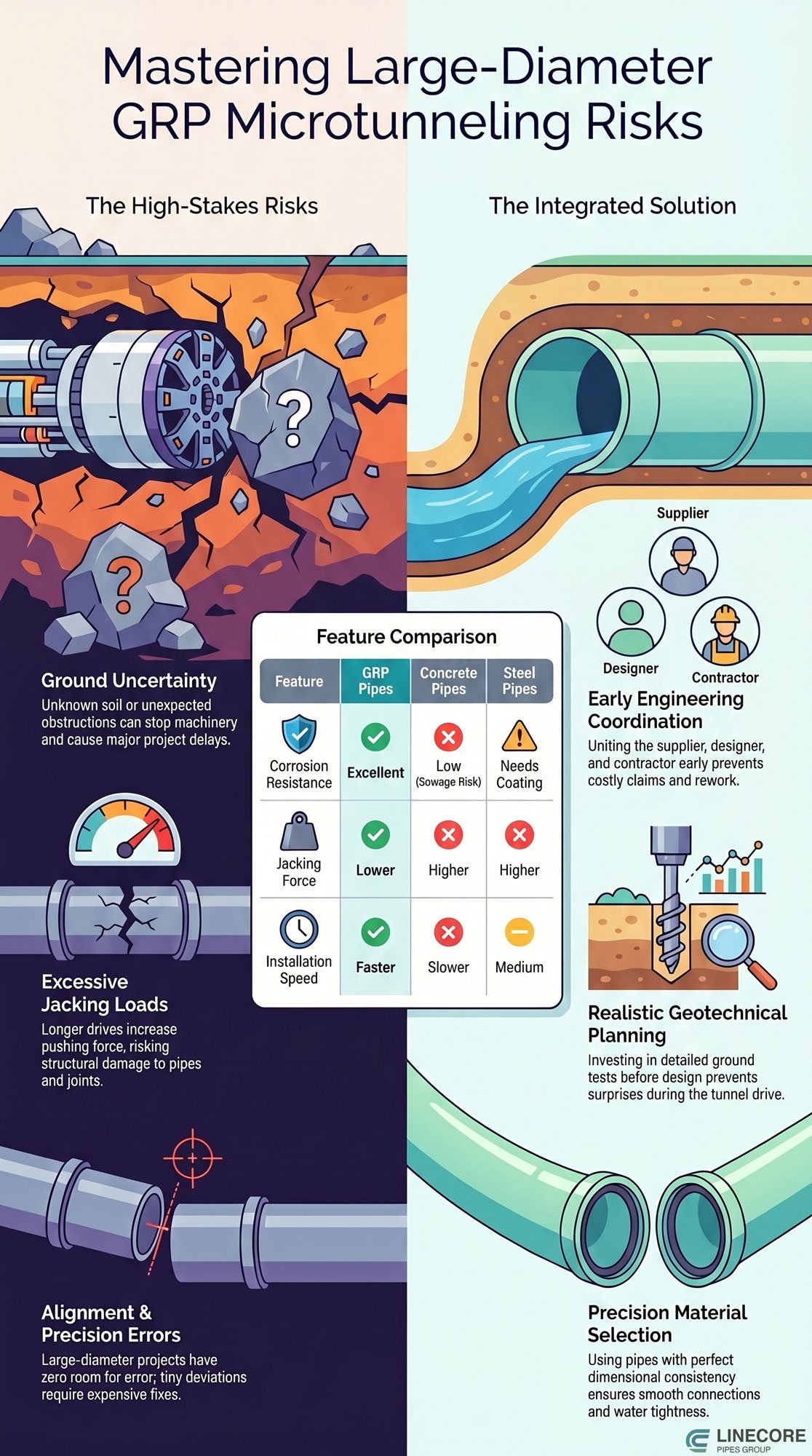
Managing Microtunneling Risks in Large-Diameter GRP Pipeline Projects Infographic (source: Pipelinecoregroup.com)
Why Risk Management Matters in Microtunneling Projects
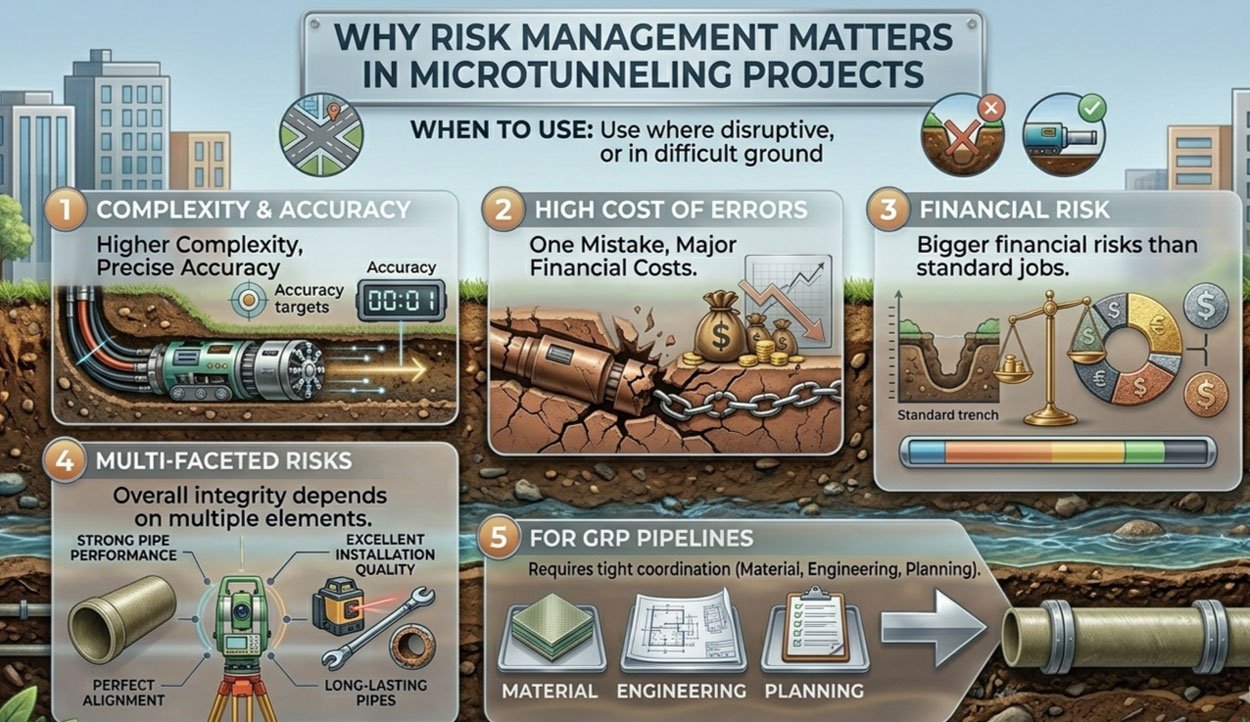
You choose microtunneling when open digging is too hard or causes too much trouble in busy cities. It keeps the roads open and life moving normally. But large-diameter projects are not easy. That explains why risk management becomes extremely important in such projects. Let’s explain the reasons clearly:
- These projects are more complex and need very tight accuracy
- One small mistake can cost a lot of money
- You face a much bigger financial risk than normal pipeline jobs
- Risk is not just about tunneling. You also need strong pipe performance, perfect alignment, excellent installation quality, and pipes that last for many years
- For GRP pipelines, success depends on early coordination between choosing the right material, good engineering, and smart construction planning
What Makes Large-Diameter GRP Microtunneling Projects Different?
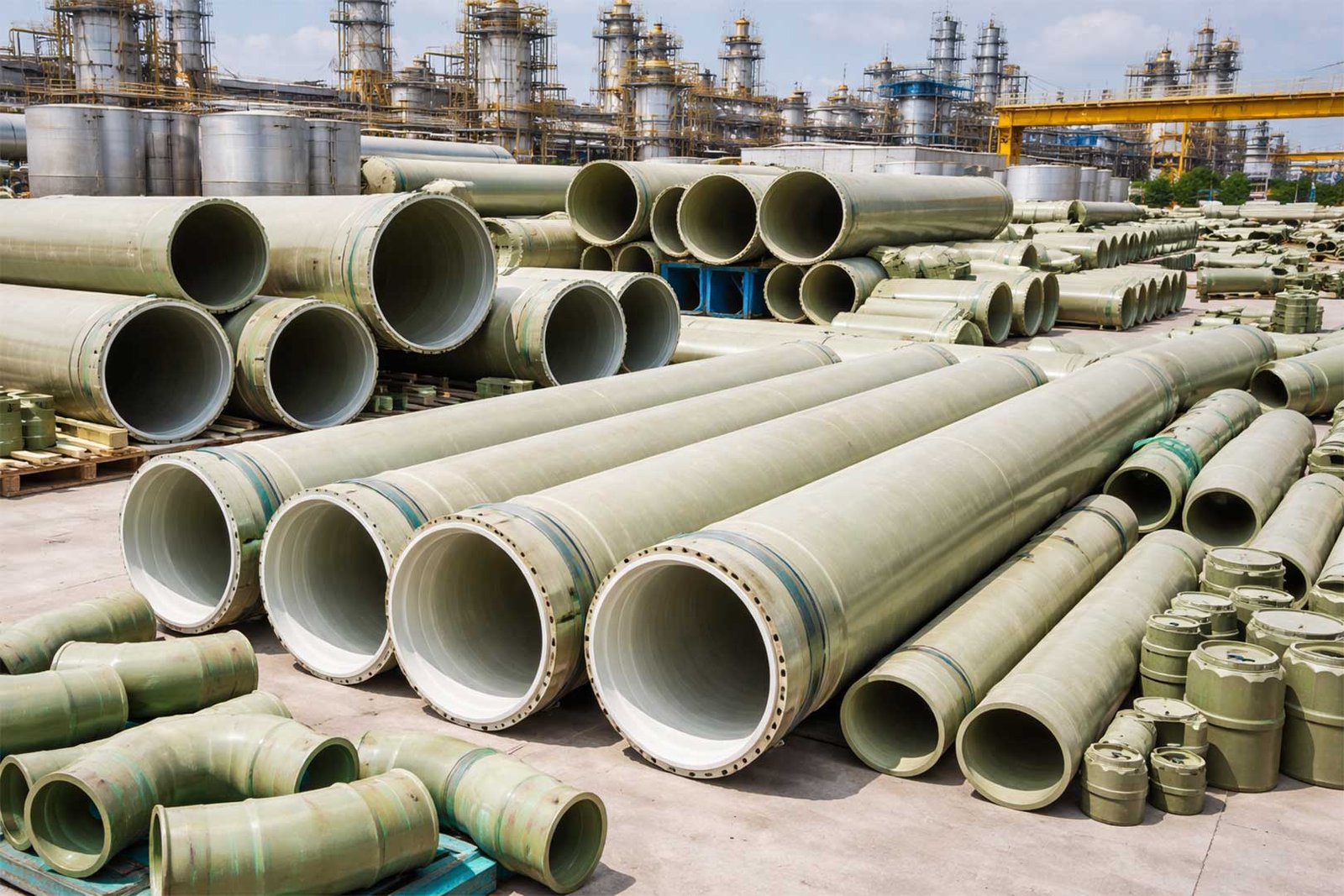
Let me tell you what makes these large-diameter GRP projects really different from regular pipeline work. Bigger pipes make everything more sensitive. Even small issues can create bigger risks. GRP pipes are actually great. They don’t corrode, water flows through them very smoothly, and they’re much lighter than concrete or steel.
But these benefits only really help you when the whole team understands the ground and knows exactly how to install them properly. The real challenge isn’t just delivering the pipes. It’s managing the entire system from the first design decisions right through to the final installation. When you get this right, GRP pipes perform beautifully. When you don’t, even good pipes can cause headaches.
Here’s a quick comparison that shows why GRP pipes are often the smarter choice for microtunneling:
| Feature | GRP Pipes | Concrete Pipes | Steel Pipes |
|---|---|---|---|
| Weight | Very light | Heavy | Heavy |
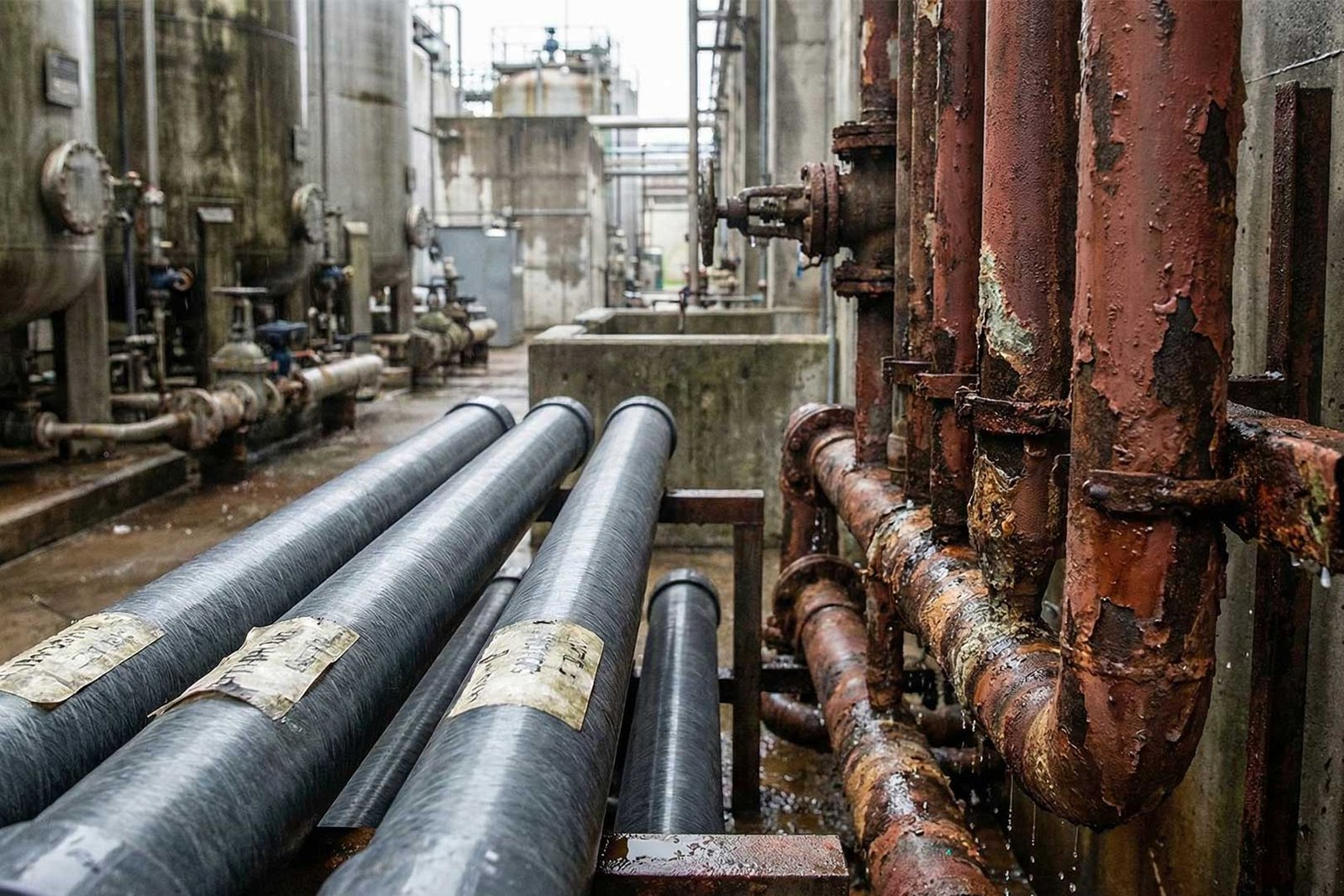
| Corrosion resistance | Excellent | Can corrode in sewage | Needs coating |
| Jacking force needed | Lower | Higher | Higher |
| Installation speed | Faster | Slower | Medium |
| Long-term maintenance | Very low | Higher | Higher |
| Best for microtunneling | Yes – one-pass possible | Often needs casing | Usually needs casing |
The Main Risks Project Teams Need to Manage
To be honest, microtunneling large-diameter GRP pipes isn’t easy. There are some real risks you need to watch out for. Below you can see the main ones:
1. Ground uncertainty
This is usually the biggest headache. You never really know what’s hiding underground. You can suddenly face:
- Unknown soil conditions
- Mixed ground and high groundwater
- Unexpected rocks and obstructions
These surprises can stop the machine or cause major delays.
2. Jacking and installation loads
As the drive gets longer, the force needed to push the pipe forward becomes much higher. You have to make sure the pipe and joints can handle these loads without getting damaged.
3. Joint integrity and system reliability
If the joints are not perfect, you can lose water tightness and end up with leaks or problems for many years. The risk is much higher when the pipe and the installation method are not chosen together.
4. Alignment and installation accuracy
Even a tiny mistake here can cause serious trouble, especially on long pipelines. With bigger pipes, you have much less room for error. You risk:
- Deviation from the correct line and level
- Big problems on long transmission routes
- Expensive fixes because precision matters more with large diameters
- Serious impact on the overall success of the project
5. Project interface risk
This one is very common and often avoidable. When the pipe supplier, the designer, and the contractor don’t talk to each other properly, small misunderstandings turn into big, expensive problems.
Real World Example: Qatar – Big GRP Project with Real Challenges
In Qatar, workers installed 24 km of GRP pipes from 400 mm to 2,000 mm diameter using 171 shafts. ITA Library explains that the project faced real problems like cutter disc damage, the machine getting stuck, and alignment issues. Sometimes they had to dig extra rescue shafts. This case shows why good planning, right machine choice, and strong ground understanding are so important in large-diameter GRP microtunneling.
These are the five biggest risks you will face in large-diameter GRP microtunneling projects:
| Risk | What Can Happen | Why It Is Serious | How to Reduce It |
|---|---|---|---|
| Ground Uncertainty | Unknown soil or rocks | Machine stops or big delays | Do detailed ground tests |
| High Jacking Forces | Pipe or joint damage | Drive fails | Choose strong GRP pipe |
| Joint Problems | Leaks after installation | Costly fixes later | Use proper GRP joints |
| Alignment Errors | Pipe goes off line | Big problems on long routes | Use good guidance system |
Why Early Engineering Coordination Reduces Risk
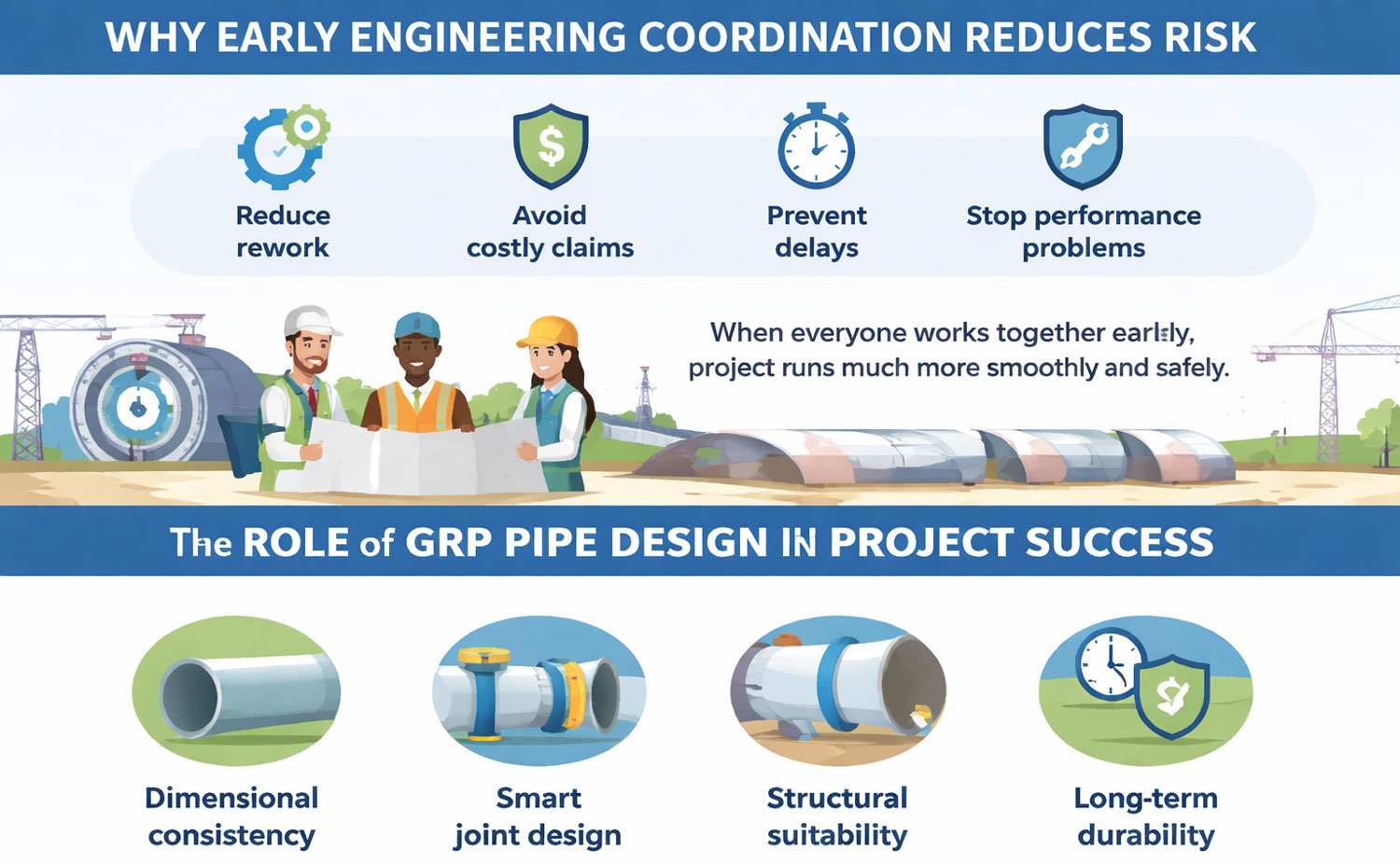
The good news is that most of these risks can be reduced, or even avoided, if you start early. Risk management doesn’t start when the machine begins digging. It starts during the planning phase. When you bring the team together right from the beginning, you look at everything at the same time. This simple step makes a huge difference. It helps you:
- Reduce rework
- Avoid costly claims
- Prevent delays
- Stop performance problems before they happen
When everyone works together early, the project runs much more smoothly and safely.
The Role of GRP Pipe Design in Project Success
Not all pipes are the same, especially in microtunneling jobs. In large-diameter GRP projects, you need to choose the pipe with the installation method clearly in mind. Good GRP pipe design focuses on these important things:
- Dimensional consistency: The pipes must be perfectly straight and uniform so they fit and connect smoothly during jacking.
- Smart joint design: Strong, reliable joints ensure water tightness and help the pipe handle the high pushing forces without damage.
- Structural suitability: The pipe must be strong enough to take the jacking loads and ground pressures it will face underground.
- Long-term durability: The right design protects the pipe against corrosion and wear so it can serve reliably for 50 years or more.
When you choose the right GRP solution, you make installation easier on site and enjoy a pipeline that stays strong and trouble-free for decades.
Real World Example: 86th Avenue Project – Fast One-Pass GRP Installation
On the 86th Avenue project, teams used 57-inch Flowtite GRP jacking pipes with a one-pass method. They did not need a separate carrier pipe or annular grouting in some sections. This choice made the job faster, reduced digging, and lowered costs. The GRP pipes also caused less vibration. This example shows the benefits of choosing the right pipe and installation method together.
Practical Ways to Reduce Microtunneling Risk
As we discussed earlier, you can actually control a lot of the risks in large-diameter GRP microtunneling projects. Here are five practical things you can do to make your project smoother and safer:
1. Start with a realistic geotechnical understanding.
Don’t hope for the best underground. Invest in proper ground investigation from the beginning. Understand the real soil conditions and plan for surprises instead of assuming everything will be perfect. This one step saves you from many headaches later.
2. Match the pipe solution to the installation method
Choose your GRP pipe based on how it will actually be installed and the real conditions of your project. Don’t treat pipe supply as a separate decision made in isolation. The right pipe for your method makes jacking easier and reduces problems on site.
3. Build quality assurance into every project stage
Make quality checking a habit at every step:
- During the manufacturing of the pipes
- When delivering and handling them on-site
- During actual installation
- At the final checks before handover
4. Improve coordination between the supplier, designer, and contractor
Talk to each other early and often. Share all important information right from the start. When the supplier, designer, and contractor work closely together, you avoid gaps, wrong assumptions, and those frustrating last-minute issues.
5. Monitor Critical Construction Factors Closely
Keep a sharp eye on what’s happening during installation. Track jacking forces, alignment, and ground behavior as you go. If something starts to change, act quickly. Catching small problems early can prevent big, expensive fixes.
Real World Example: Rome, Italy, Strong GRP Jacking Performance
In Rome, Italy, teams installed DN 1400 GRP jacking pipes. One drive was 320 meters long. They achieved good daily progress of 6 to 15 meters. According to Amiblu, they used an intermediate jacking station and managed high jacking forces up to 3,476 kN. This project showed that GRP pipes can handle long distances well when installed properly in urban areas.
Here is a simple checklist showing how you can control the main risks in your project:
| Risk | Best Control Method | When to Do It | Expected Benefit |
|---|---|---|---|
| Ground Uncertainty | Proper geotechnical investigation | Before design | Fewer surprises |
| High Jacking Forces | Right GRP pipe + good lubrication | Pipe selection stage | Smoother jacking |
| Joint Leaks | Strong joints + on-site ovality checks | During installation | No leaks for many years |
| Alignment Issues | Real-time monitoring and guidance | During construction | Accurate final pipeline |
Why Integrated Supply and EPC Delivery Creates an Advantage
You’ve probably seen it before: when you give various tasks like pipe supply, design, and installation to different teams, things often go wrong. People don’t talk enough, and small gaps turn into big problems. You need an integrated approach to solve this. When one team handles both the GRP pipe manufacturing and the full EPC work, everything lines up better. This is especially valuable for water pipelines because you need the pipeline to work perfectly for many years.
At LineCore Pipes Group, we make the pipes and also run the whole project. So you get one partner who looks after everything from start to finish.
Real World Example: 86th Avenue Project – Fast One-Pass GRP Installation
On the 86th Avenue project, teams used 57-inch Flowtite GRP jacking pipes with a one-pass method. As reported by Future Pipe Industries, they did not need a separate carrier pipe or annular grouting in some sections. This choice made the job faster, reduced digging, and lowered costs. The GRP pipes also caused less vibration. This example shows the benefits of choosing the right pipe and installation method together.
What Clients Should Look for When Selecting a GRP Microtunneling Partner
We know how important it is to choose the right partner for your large-diameter GRP microtunneling project. Here’s what we recommend you look for:
- Experience with large-diameter GRP: Go with a company that has successfully done big pipe jobs like yours.
- Good understanding of trenchless risks: They should truly understand the risks of microtunneling and know how to manage them.
- More than just supplying pipes: Choose someone who can review your design and give practical, useful advice.
- Strong quality systems: Make sure they have solid quality control from the factory to the site.
- EPC capability or strong coordination: The best partners can handle the full project or work very closely with your team.
- Real focus on water transmission: Look for a company that specializes in water pipelines and cares about long-term performance.
If your partner meets these points, you will have fewer surprises and a much smoother project.
How LineCore Pipes Group Supports Risk-Aware Water Transmission Projects
At LineCore Pipes Group, we supply high-quality GRP pipes and deliver complete water transmission solutions. Our real value comes from combining strong product capability with practical project understanding. We don’t just make pipes, we help manage the full picture.
As a total solution provider, we support you by bringing supply, engineering, and execution together. This integrated approach helps reduce risks and gives you better control from design through to final handover. We focus on delivering reliable, long-term performance for your water transmission projects.
Conclusion
You can successfully manage risks in large-diameter GRP microtunneling projects with good planning and teamwork. The best way is to keep it practical, connected, and proactive. GRP pipes give you great long-term value in water projects when you use good engineering and a smart EPC strategy.
At LineCore Pipes Group, we are here to help you with our GRP pipes and full project support. We’ve got your back from start to finish.
Microtunneling with GRP Pipes: Frequently Asked Questions
1- What is microtunneling in pipeline projects?
Microtunneling is a trenchless method to install pipes underground with almost no digging on the surface.
2- Why are large-diameter GRP pipelines used in water transmission?
Large GRP pipes are used because they are light, don’t corrode, allow smooth water flow, and last many years.
3- What are the main risks in microtunneling projects?
Main risks are unknown ground, high jacking force, leaking joints, bad alignment, and poor team coordination.
4- How can GRP pipe selection affect trenchless installation success?
If you pick the right GRP pipe, it makes jacking easier, protects joints, and reduces problems during installation.
5- Why does EPC coordination matter in pipeline risk management?
EPC coordination brings pipe supply, design, and construction together so mistakes are reduced and the project runs smoothly.
about
The Author

Farshid Tavakoli is a seasoned professional in engineering and international trade. Holding degrees in Electrical Engineering, Mechatronics, and a Doctorate in Business Administration (DBA) from the University of Lyon, he also has a strong background in industrial automation and production line technologies.
For over 17 years, he has led an international trading company, gaining deep expertise in commercial solutions tailored to industrial needs. With more than 8 years of active involvement in infrastructure development, he specializes in the supply of electromechanical equipment for water and wastewater treatment plants and transfer projects.
Together with comapny expert team, he now provides consultancy and integrated solutions for sourcing and implementing complex infrastructure projects across the region.