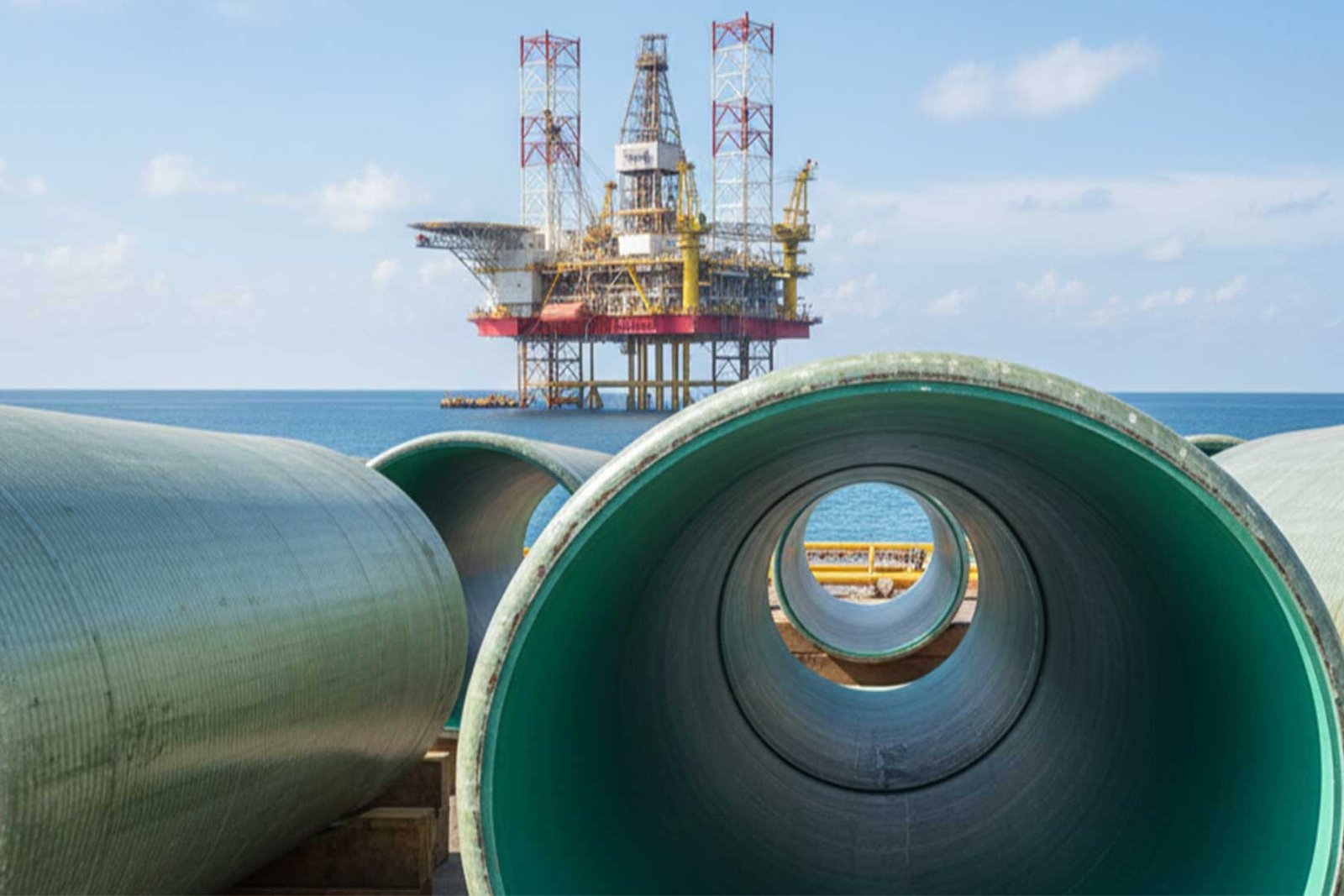
What pipe can resist under high temperatures and the demanding conditions of oil and gas operations? GRP pipes (Glass Reinforced Plastic) are top choices with their lightweight and fire tolerance, in high-risk sites such as offshore or oil and gas plants where extreme aspects of hydrocarbons like flammability threaten the pipe’s lifespan or performance. The resin and glass fiber layers of GRP pipes protect them in these harsh sites.
Keep reading till the end to figure out how magnificently GRP pipes are shaped through their materials, standards, and characteristics in oil and gas piping systems.
What Exactly are Fire-Retardant GRP Pipes Made of? And How Are They Manufactured?
The composite design of GRP pipe, meanwhile, the usage of resin and glass fibers created such resistant pipes under extreme conditions. Additionally, fire-resistant GRP pipes include such additives that make them perform perfectly in various situations.
The Composition: Resin Matrix and Glass Fiber Layers
The core materials of GRP pipes contain glass fibers and a resin matrix that can be changed according to the preferred function.
- Thermoset Resin: Whether epoxy, polyester, or vinyl ester, GRP pipe can withstand high heat, pressure, and aggressive chemicals. In this case, GRP pipes with an exceptional resin choice can tolerate up to 120 °C. (Source: Amiblu)
- Glass Fibers: Glass reinforcement can add a firm tone to the pipes, while keeping them flexible in specific use cases and sensitive sites.
Additives: what makes a change in fire-tolerant GRP pipes
The performance of GRP pipes under extreme conditions is improved by additives like halogen-free flame retardants.
These additives can make their impact when flames come to show less toxic smoke in fire exposures.
Manufacturing Methods and Techniques
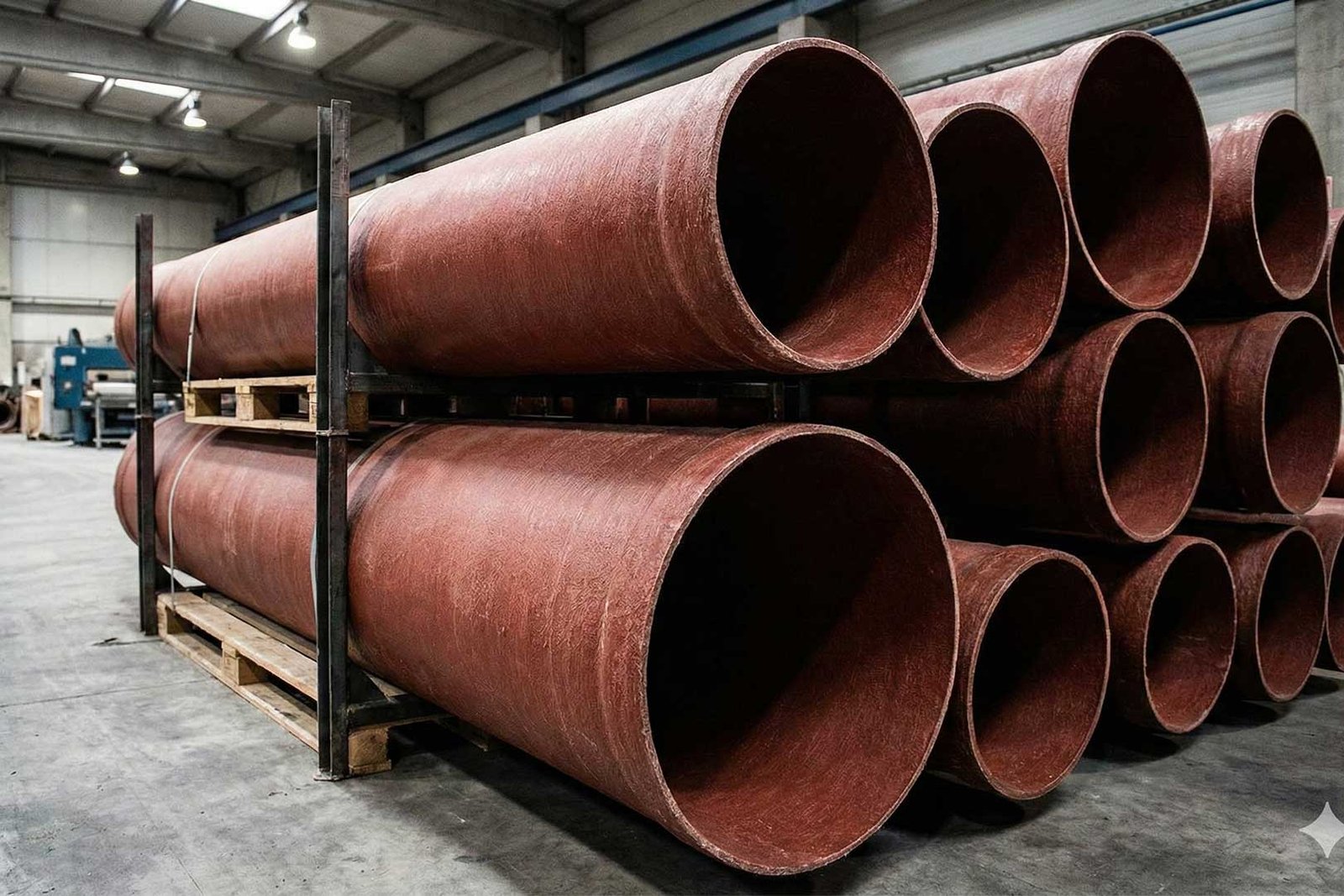
The GRP pipe manufacturing methods include filament winding as the most chosen one and hand lay-up for special designs, which both layer composite materials onto a mandrel to shape the pipes.
- What is RPM? RPM or Reinforced Plastic Mortar adds an extra layer to protect pipes in flammable conditions requiring higher levels of fire resistance.
Deep Inside the Fire Reaction of GRP Pipe: The Case of the Molecular Level
In molecular stages, GRP pipe (the fire-resistant ones) shows such a specific reaction when encountered with flame. More specifically, from resin type to additives, each can protect the pipeline to achieve its long lifespan. Check the table below to understand how each works:
| Mechanism | Step | Action | Benefit |
|---|---|---|---|
| Chemical Reaction of Flame-Retardant Additives | Degradation | Additives break down, releasing non-combustible gases | Cools surface and dilutes oxygen, slowing fire spread. |
| Cooling | Gases cool surface and reduce oxygen | Reduces flame intensity. | |
| Formation of a Protective Char Layer | Resin Degradation | Resin forms a char layer | Protects pipe, prevents oxygen from fueling fire. |
| Barrier Formation | Char layer insulates pipe | Reduces heat transfer, maintains pipe integrity. | |
| Heat Transfer Resistance | Insulation | Char layer insulates against heat | Slows heat transfer to the inner pipe. |
| Molecular Bonding of Resin and Glass Fiber | Stable Bonding | Resin and glass fiber remain stable under heat | Maintains strength and prevents deformation. |
- Summary: GRP pipes with fire-resistant coatings can withstand 1200 °C for a limited time in oil and gas pipelines, which makes them top choices over traditional metal pipes. (Source: FuturePipe)
What Are the Standards of Fire Testing and Performance Metrics in Fire-Retardant GRP Pipe?
To verify the global usage of GRP pipes in sensitive use cases such as oil and gas piping systems, GRP pipes must pass tests of international standards and include some pointy metrics such as SDI and FSI.
Fire Ratings for GRP Pipes
Fire ratings such as FSI and SDI are used when it comes to the evaluation of GRP performance under fire conditions to verify how much they can withstand this situation.
Flame Spread Index (FSI): ResearchGate shows how FSI measures the rate at which flames spread along the surface. Lower FSI values indicate higher flame resistance.
Smoke Developed Index (SDI): Assesses the volume of smoke produced during the fire exposure. A lower SDI decreases dangerous smoke.
Fuel Contribution: Evaluates how much fuel the material adds to the fire. A lower fuel contribution means the pipe doesn’t amplify the fire’s intensity.
International fire testing standards
GRP pipes must meet global standards to be used in special applications that last for decades in harsh environments. Check each standard and its function through a short explanation and a table below for the properties offered by each:
- ASTM E84: Tests surface burning characteristics such as FSI, SDI, and fuel distribution.
- UL 723: Focuses on flame spread and smoke emission for materials used based on A, B, and C classes.
- BS 476 (UK Standard): Measures fire resistance, flame spread, and smoke emissions for building materials.
- IMO A.653(16): Evaluates fire resistance in marine and offshore applications to verify pipe strength in fire incidents.
- NFPA 255: Assesses fire performance in building materials (in classes I, II, and III), particularly flame spread and smoke in both horizontal and vertical applications.
| Standard | Temperature Exposure | Flame Spread Limit | Smoke Developed Index |
|---|---|---|---|
| ASTM E84 | Up to 1000°C | Class I (0-25) | < 450 |
| UL 723 | 800-1000°C | Class A (0-25) | < 450 |
| BS 476 | 850-1000°C | Class 1 (0-25) | < 750 |
| IMO A.653(16) | 1000-1200°C | Low Flame Spread | Low Smoke Emissions |
| NFPA 255 | 800-1000°C | Class I (0-25) | < 450 |
How Do Fire Test Scenarios Go?
In coated pipes, they show more substantial resistance to fire due to their extra coating in extreme temperatures, while in the case of uncoated ones, they show more basic performance to be used as a base to test the other types.
- The Special Coating: Intumescent-coated pipes can swell when fire comes to the pipes and protect the underneath pipeline effectively. (Source: Emerald)
Performance Demonstration
- FSI Drop: From 40 to 5, a higher reduction in flame spread.
- SDI Drop: From 755 to 30, a particular decrease in smoke emissions.
The results of each test show how GRP pipes can be coated to avoid flames in extreme conditions of high-risk sites such as oil and gas pipelines.
How do the Mechanical and Thermal Properties of GRP Pipes Perform Under Extreme Conditions?
To handle both mechanical and thermal stress in certain conditions, GRP pipes are designed in a way that can durably resist these situations. Here are four properties that fire-retardant GRP pipes include:
1. Pressure Resistance: 0.25 MPa to 2.0 MPa
GRP pipes can tolerate up to 20 MPa due to their layered structure in high-pressure systems. The range of 0.25 MPa to 2.0 MPa allows them to be fit in both low- and high-pressure systems.
2. Stiffness Ratings: SN2500, SN5000, SN10000
The stiffness ratings of GRP pipes go from SN2500 to SN10000, which show how they resist under heavy loads with no deformation included in various mechanical stress stages.
3. Temperature Range: Up to 200°F (93°C)
GRP pipes can resist high temperatures from 85°C to 120°C by changing the resin type or the usage of epoxy resin layers for each kind. Also, the choice of fire-retardant additives can significantly improve the stability in extreme temperatures under certain conditions.
4. Durability And Long-Term Performance
With Barcol hardness, low surface roughness, and strong resistance to UV radiation and corrosion, GRP pipes show such long-lasting performance under hard-to-resist conditions such as extreme temperature, harsh chemicals, and aggressive soils with low need for maintenance.
Types of Fire‑Retardant GRP Pipe Systems
Fire‑retardant GRP (Glass Reinforced Plastic) pipe systems come in several designs to accommodate different risk and fire‑exposure conditions.
- Bare Fire‑Safe GRP Pipes: Made of non-flammable resin matrix to resist under fire conditions with no added coatings.
- Latex‑Coated Fire-Retardant GRP Pipes: A latex coating added to the GRP pipe to increase flame spread and decrease the smoke range. (Yong Chang FRP)
- Intumescent-Coated GRP Pipes: These pipes can stand up to 3 hours of fire conditions by expansion and the creation of a thick char.
- Phenolic Resin GRP Pipes: These resin types are the future of GRP pipes that can handle flame-spread and smoke production in high-temperature use cases.
Jointing and Fittings for Fire-Retardant GRP Pipes
GRP pipes include several jointing methods for both permanent and temporary connections in high-pressure systems with low leakage.
- Socket-Spigot Joints: Connect two pipe ends with O-rings as a leak-free joint in fire-resistant systems.
- Flanges Joints: In high-pressure systems, they are used for a strong and permanent connection.
- Bell & Spigot Joints: Used in sites with low downtime required by fast installation in medium-pressure systems.
- Butt-Welded Joints: Used as a permanent method in heavy-duty sites or for the connection between GRP and steel.
Fittings: Elbows, Tees, Manholes, Reducers
These features are designed based on specific use cases to match the environment’s requirements. For instance, in fire suppression systems, these customized pieces can be made of the same material as fire-retardant pipes.
Where Are Fire-Retardant GRP Pipes Used?
Fire-retardant GRP pipes are top choices in various infrastructures due to their perfect performance under extreme conditions and flexibility of resin choice and overall cost for each use case.
- Offshore Oil Platforms and FPSOs: These sites require pipes that can handle corrosion, aggressive chemicals, and the risk of flames. GRP pipe can be a great choice with its perfect characteristics.
- Petrochemical & Refining Industries: GRP pipes can be used where harsh chemicals must be transported by resistant pipes like the GRP family.
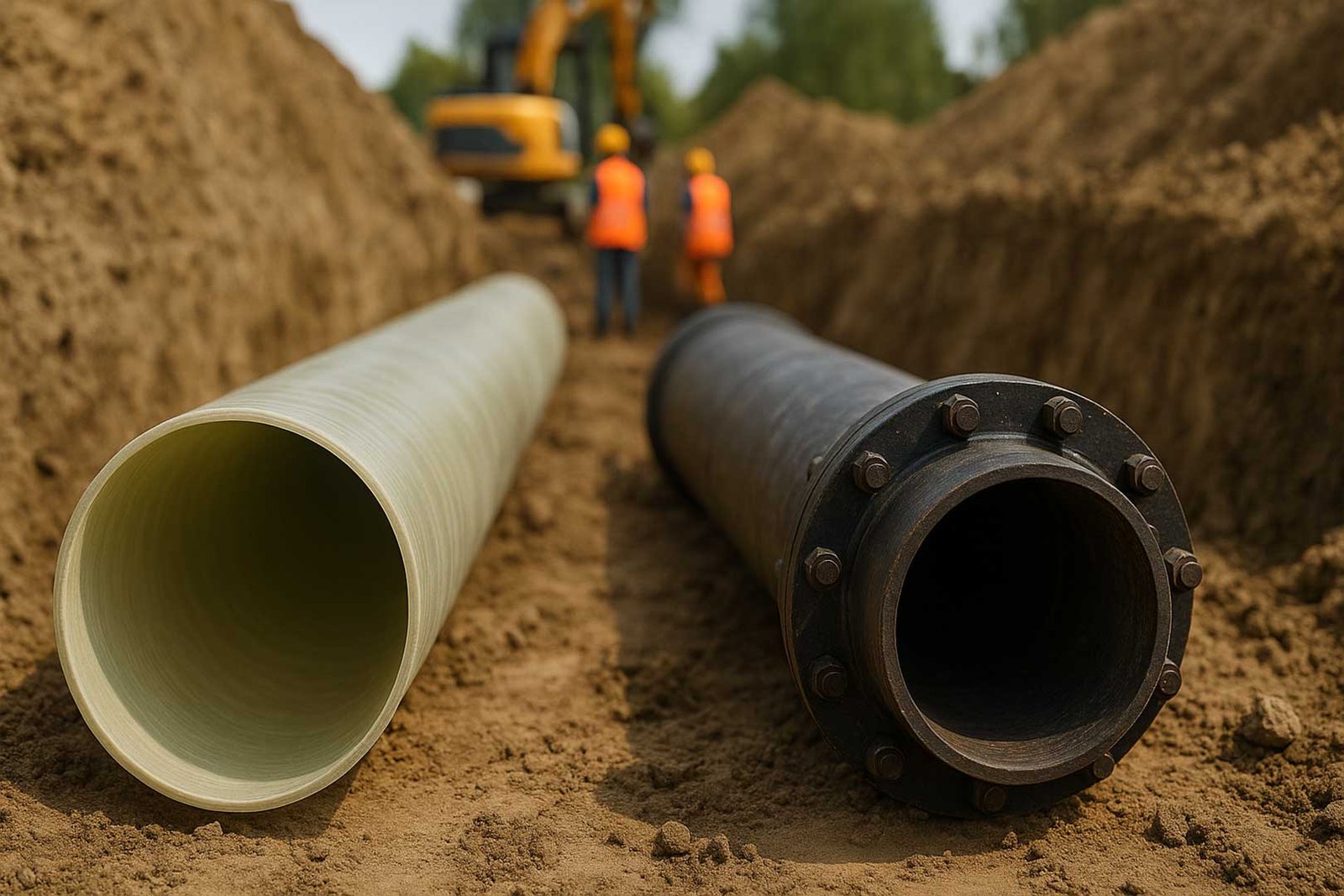
- Underground Fire Water Systems: Used in fire suppression systems, GRP pipes maintain reliability under high temperatures and pressure, making them suitable for underground applications.
- Fuel Stations & Tank Terminals: GRP pipes can be used where fuel must be transported with the minimal risk of flammability in high-risk sites.
- Tunnels, Subways & Emergency Infrastructure: These pipes are used as a fire-resistant agent in urban infrastructures with a long lifespan.
- Fire-Sensitive Walkways & Stair Treads: In sensitive sites like walkaways where the risk of flame and exposure is high, GRP pipes with their flexibility and resin coatings are used.
Advantages of Fire-Retardant GRP Pipe Over Traditional Materials
GRP pipes are such a modern solution for piping systems due to their perfect performance over traditional pipelines like steel or concrete.
GRP vs Steel
Compared to the steel pipe, the GRP pipe can withstand heavy pressures, corrosion, and the risk of flames in aggressive sectors. Also, they’re lighter, which eases the installation and transportation process.
GRP vs PVC/CPVC
PVC pipes are lightweight pipes that can withstand corrosion effectively, as GRP does. Meanwhile, in high-risk sectors like oil and gas pipelines, where flame-resistant pipes are used, GRP pipes are a better choice to be installed.
GRP vs Ductile Iron
However, ductile iron pipes are popularly used in water supply chains; they include cracks and require continuous maintenance over time, which GRP pipes solve with their long lifespan and low need for repairs or maintenance.
| Material | Cost | Durability | Fire Performance |
|---|---|---|---|
| GRP | Low | High | Excellent |
| Steel | High | Medium | Moderate |
| PVC/CPVC | Low | Medium | Poor |
| Ductile Iron | Medium | High | Moderate |
Global Standards, Certifications & Design Requirements
To install GRP pipes in worldwide use cases, it’s recommended to get international standards verifications and certifications. Here are some of these well-rounded standards and guidelines.
Firstly, check the table below for standards like ISO, EN, or IBC that are highly used in the case of fire-retardant GRP pipelines.
| Standard | Description | Region/Scope | Focus Areas | Specific Case in GRP Pipe Industry |
|---|---|---|---|---|
| IBC | Fire safety for building materials | Global | Fire resistance, structural safety | GRP pipes in high-rise fire water systems |
| UFC | Military and government facility standards | U.S. Military, Govt. | Fire protection, system safety | GRP pipes in military fire suppression |
| ISO | Standards for material and fire safety | Global | Material testing, fire resistance, quality | GRP pipes in offshore installations |
| NFPA | Fire prevention and performance standards | U.S. and Global | Fire behavior, safety protocols | GRP pipes in industrial fire suppression |
| EN | European fire safety standards | Europe | Fire resistance, building systems | GRP pipes in tunnels and subways |
Required Certifications for Sensitive Infrastructure
In urban or marine infrastructures, there are multiple certifications that GRP pipes must be verified by. For instance, UL 723, FM 4910, and ISO 9001 pave the way to reach such safe, durable, and high-quality pipelines.
Checklist for Manufacturer Compliance
- Check if the materials used in production are certified.
- Give the results of fire performance tests, like ASTM E84 and BS 476.
- Make sure that ISO 9001 is being followed for quality management.
What Engineers Need to Think About When Integrating Fire Safe Design
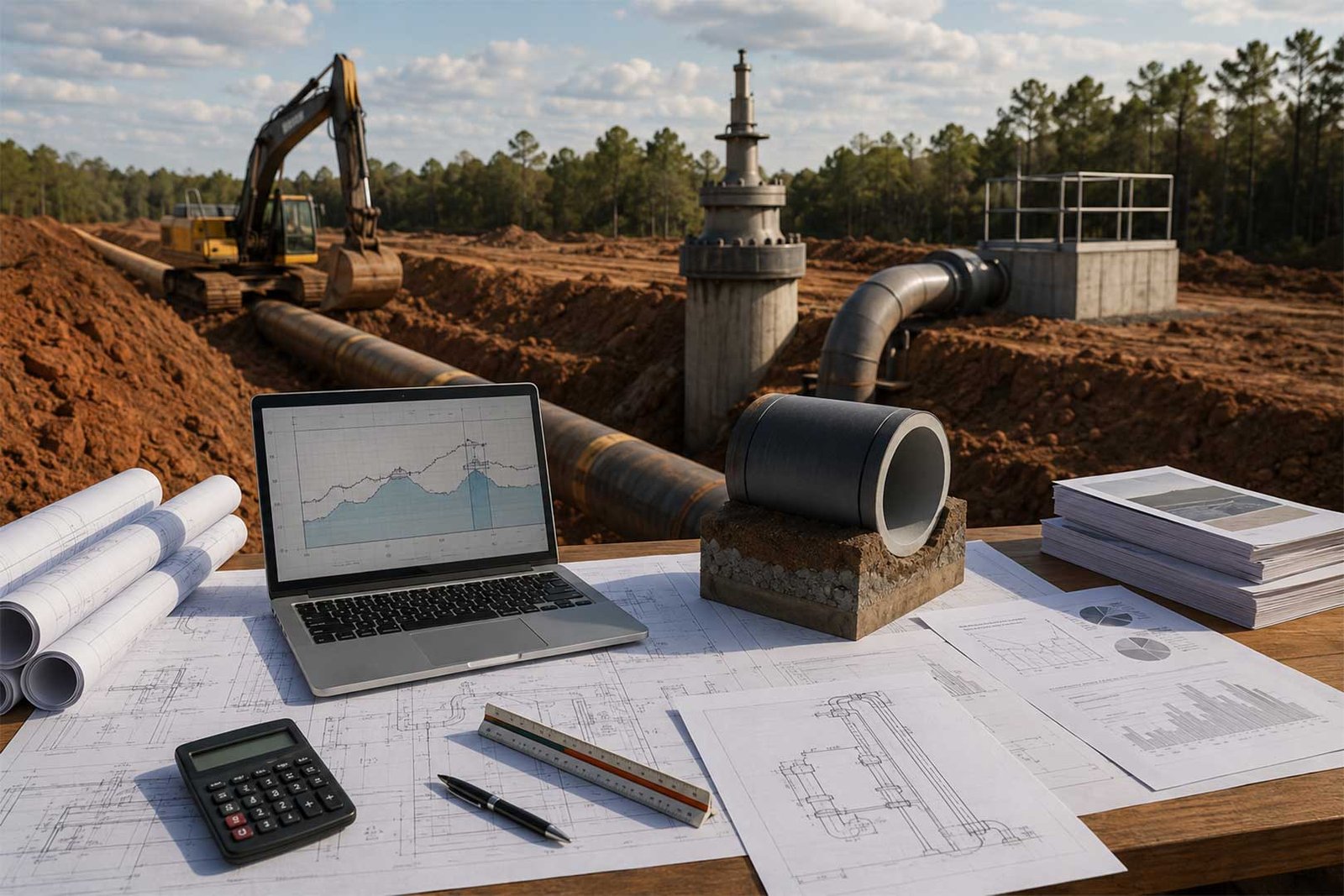
From the beginning, engineers should include fire-safe design features:
- All materials should have the right fire resistance ratings.
- Jointing and fitting integrity to keep things from breaking down in a fire.
- Taking into account how to connect the fire suppression system to the GRP piping.
This makes sure that fire-retardant GRP pipes meet strict fire safety standards and work well in places where there is a lot of risk.
Sustainability and Lifecycle Benefits
GRP pipes and especially the fire-retardant version of them reduce the problems that their alternatives may cause. Check these four major aspects to define how GRP pipes can achieve sustainable targets.
Environmental Impact: The Case of Halogen-Free Systems
GRP pipes are made of additives like halogen-free resins that decrease the toxic gases in fire exposure cases to minimize the footprint.
Low Maintenance in Fire-Prone Areas
These pipes can reduce the need for maintenance even in sectors where the risk of flames is high, which eventually decreases the overall costs.
Recyclability and Life Cycle
Interestingly, GRP pipes are not only recyclable, but also follow the circular economy rules by their features.
Cost-Effectiveness Over Time
Lastly, GRP pipes are famous due to their long lifespan and low maintenance requirements over decades that surpass alternatives easily.
Line Core Pipe Group: Your Trusted Supplier of Fire-Retardant GRP Pipes
Are you looking for reliable, fire-retardant GRP pipes?
Line Core Group is the official representative of the internationally popular GrandPipe brand. We provide the customers with custom-designed, fire-resistant GRP piping systems, which are verified by international or regional standards to shape such long-lasting pipelines under and above the oceans and soils.
After decades of being top choices in the piping industry, Line Core Group designs pipelines aligned with your specific project’s demands in various DN, PN, or SN ratings.
Keep in touch with us for durable and well-illustrated pipelines that last for decades with the least level of maintenance requirements.
Conclusion
Fire-retardant GRP pipes are the end of the GRP family’s world, which resist even fire exposure with no deformation included, while reducing the risk of flammability and toxic smoke in high-risk sectors. Choose GRP pipes with fire-retardant coatings in your oil and gas offshore plants confidentially. Line Core Group is your partner to design, transport, and install pipes in sensitive sites to satisfy your industrial requirements.
FAQs
1- What are fire-retardant GRP pipes?
Fire-retardant GRP pipes are composite pipes with fire-resistant properties that come from special additives and resin choice, used in aggressive sites like offshore platforms and chemical plants.
2- How do they compare to steel?
GRP pipes are lighter, corrosion-resistant, and more fire-resistant than steel pipes. They can resist extreme conditions in which steel pipes fail.
3- What’s their maximum temperature resistance?
They can tolerate up to 1200°C in fire exposure tests, while the normal temperature tolerance ranges around 93°C (200°F).
4- What are the jointing methods of GRP pipes?
They’re connected with socket-spigot, flanged, bell & spigot, or butt-welded joints, including custom fittings like elbows and tees.
5- Are GRP pipes eco-friendly choices?
Yes, they are halogen-free, recyclable, and compared to steel or PVC include a lower footprint by making less toxic smoke in high-temperature use cases.
about
The Author

Farshid Tavakoli is a seasoned professional in engineering and international trade. Holding degrees in Electrical Engineering, Mechatronics, and a Doctorate in Business Administration (DBA) from the University of Lyon, he also has a strong background in industrial automation and production line technologies.
For over 17 years, he has led an international trading company, gaining deep expertise in commercial solutions tailored to industrial needs. With more than 8 years of active involvement in infrastructure development, he specializes in the supply of electromechanical equipment for water and wastewater treatment plants and transfer projects.
Together with comapny expert team, he now provides consultancy and integrated solutions for sourcing and implementing complex infrastructure projects across the region.